


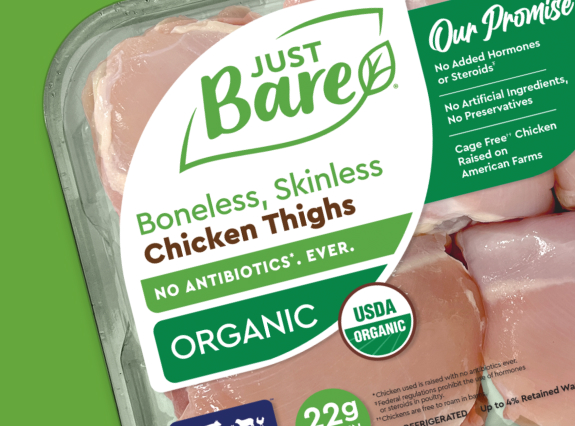
Walk down the meat aisle and you’ll see plenty of claims on chicken packaging—antibiotic free, organic, hormone free, natural, cage free, and more. Some are backed by strict federal standards. Others are simply there to help shoppers better understand how their food was raised.
If you’ve ever wondered what these labels actually mean—or which ones matter most—you’re not alone.
Today’s shoppers care more than ever about where their food comes from. They want transparency. They want to know how animals were raised. And they want to feel confident they’re making informed choices for themselves and their families.
The good news? Once you understand the most common chicken label meanings, reading a chicken package becomes much simpler.
Here’s what “antibiotic free,” “organic,” and “hormone free” really mean, and how to use those labels to shop with confidence.
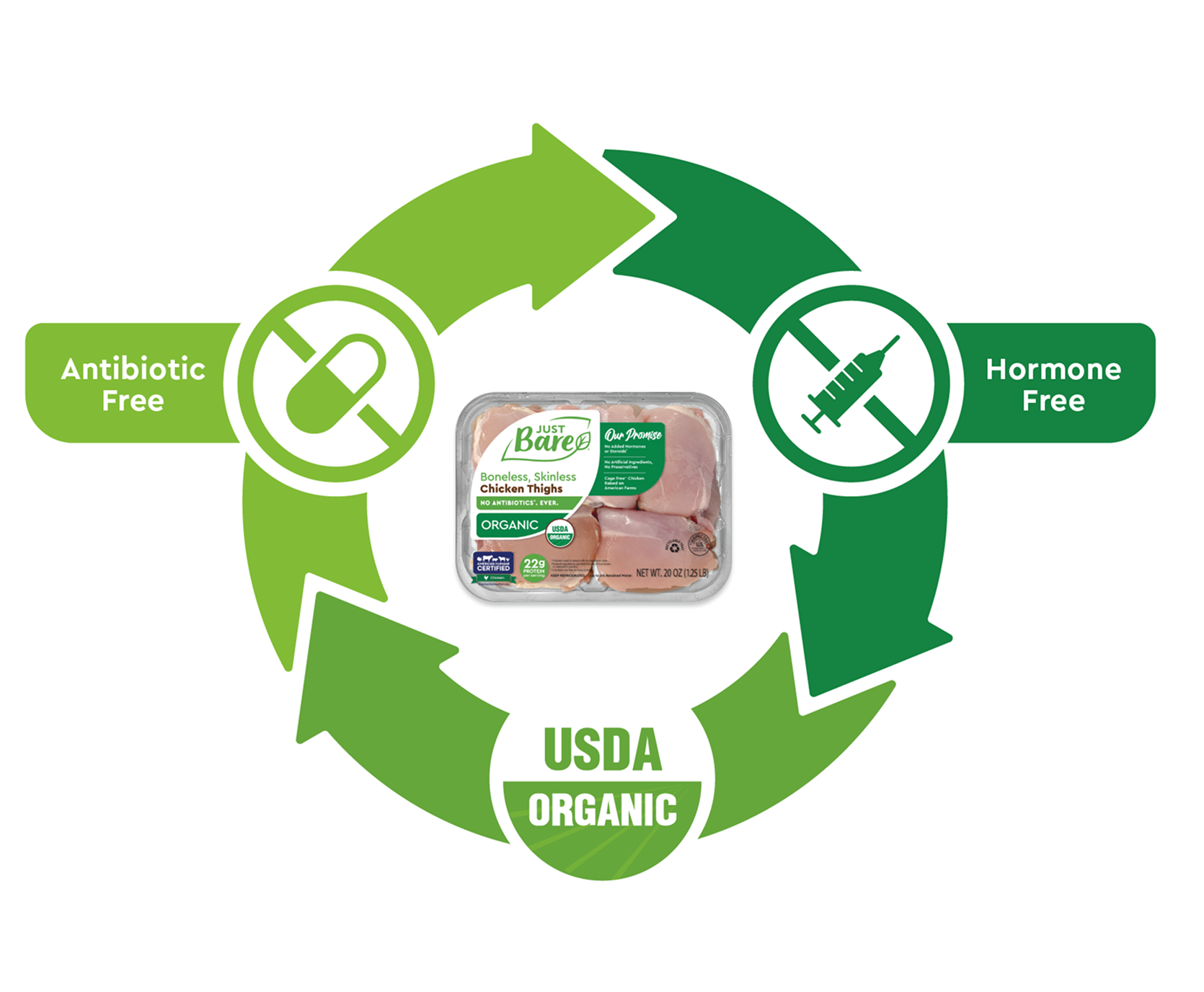
Why Chicken Label Claims Matter
Food labels have become one of the biggest factors influencing purchasing decisions. Many consumers now look beyond price alone, paying closer attention to how food is produced and what standards it meets.
That growing demand has made chicken labels more informative than ever. Think of this as your guide to chicken certifications explained.
Understanding the difference helps you cut through the noise and focus on the information that matters most.
If you’ve ever searched how do I read a chicken label? Or which chicken label is the most meaningful? You’re asking exactly the right questions.
Let’s break down three of the most common claims you’ll find on chicken packaging.
What Does “Antibiotic Free” Mean on Chicken?
One of the most common questions shoppers ask is: What does antibiotic free chicken mean?
Quite simply, it means the bird was never given antibiotics at any point during its life, from hatch to harvest.
You may also see similar claims such as:
No Antibiotics Ever (NAE)
Raised Without Antibiotics (RWA)
These phrases communicate the same core idea: antibiotics were never used while raising the bird.
Unlike many marketing claims, “raised without antibiotics” is a USDA-regulated claim. Producers must maintain documentation showing that birds were never treated with antibiotics in order to use the claim on packaging.
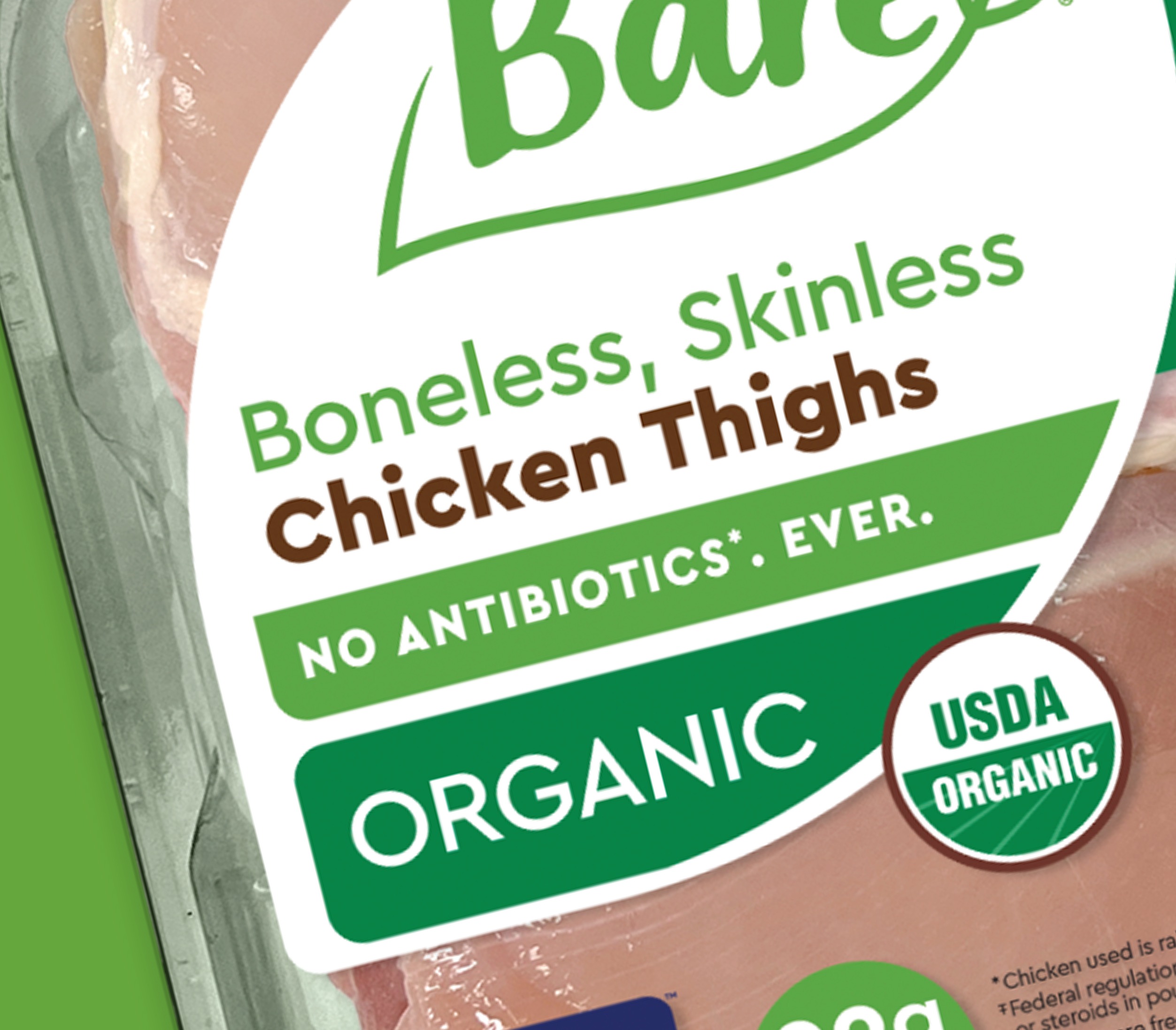
Why It Matters
Raising chickens without antibiotics requires a proactive approach to animal care.
Instead of relying on medication, farmers focus on preventative practices like proper nutrition, clean housing, thoughtful flock management, and maintaining healthy environments that help birds thrive from the very beginning.
Choosing no antibiotics ever chicken supports farms committed to raising healthy birds through good management rather than routine medication.
Many shoppers also appreciate that these production practices align with broader efforts to preserve the effectiveness of antibiotics for human medicine.
An Important Fact Many People Don’t Know
Here’s something that surprises many shoppers:
All chicken sold in the United States is required to be free of antibiotic residues before it reaches grocery stores. In other words, every chicken on the shelf has met strict federal food safety standards.
The antibiotic-free claim goes one step further.
Rather than describing what’s in the meat, it tells you how the bird was raised throughout its entire life. That’s an important distinction – and one of the reasons this label carries so much meaning for many consumers.
What to Look For
If antibiotic-free production is important to you, look for claims such as “No Antibiotics Ever” or “Raised Without Antibiotics.”
You may also notice additional verification from programs like USDA Process Verified or other independent certifications that provide another layer of confidence.
Takeaway: Choosing antibiotic-free chicken supports farms committed to raising healthy birds through proactive care from day one.
The bird was never given any antibiotics at any point in its life.
Reflects a proactive approach to raising healthy chicken.
Choosing antibiotic-free chicken supports farms committed to raising healthy birds the right way from day one.
What Does USDA Organic Mean for Chicken?
If you’re comparing organic vs antibiotic free chicken, it’s important to know that organic covers much more than antibiotics alone.
USDA Organic is the most comprehensive federally regulated claim available for chicken.
To earn the USDA Organic seal, producers must meet rigorous standards across multiple areas of production.
What is Organic Chicken?
USDA organic chicken comes from birds that are:
- Fed 100% certified organic feed
- Raised without antibiotics
- Raised without growth-promoting drugs
- Given feed free from GMOs, synthetic pesticides, and animal byproducts
- Provided access to the outdoors
- Raised under strict USDA standards governing feed, farming practices, and animal care
Rather than focusing on one production practice, organic certification evaluates the entire farming system.
Why Organic Means More Than One Label
Many shoppers ask, “What’s the difference between organic and antibiotic free chicken?”
The answer is that antibiotic-free is one piece of the organic standard, but organic goes significantly further.
Organic certification combines several values into one trusted label, including feed quality, environmental stewardship, animal care, and production practices.
That’s why the USDA Organic seal is often considered one of the most meaningful certifications available in the grocery store.
Organic vs. Natural
Another common question is the difference between organic and natural chicken. Although the words sound similar, they are not interchangeable.
Organic is a federally regulated certification with clearly defined standards that producers must meet.
“Natural,” on the other hand, generally refers to how the meat is minimally processed after harvest and does not carry the same comprehensive production requirements as USDA Organic.
If you’re specifically looking for certified organic practices, the USDA Organic seal is the easiest way to identify them.
Is Organic Chicken Worth the Cost?
Organic chicken often costs more than conventionally raised chicken, and there’s a reason for that.
Organic feed is more expensive to produce, and maintaining USDA Organic certification requires farmers to meet detailed production standards throughout the bird’s life.
For shoppers who prioritize organic feed, environmental practices, and comprehensive production standards, that additional cost reflects meaningful differences in how the chicken was raised.
Takeaway: USDA Organic is the gold standard for shoppers looking for comprehensive standards covering feed, farming practices, animal care, and environmental stewardship.
The chickens are fed a 100% certified organic feed containing no GMOs, synthetic pesticides, or animal byproducts.
Look for a USDA Organic seal to ensure you are buying properly raised organic chicken.
USDA Organic chicken is the gold standard for shoppers who want every box checked when buying chicken.
Is All Chicken Added Hormone Free?
This is one of the easiest questions to answer.
Yes.
Every chicken sold in the United States is raised without added hormones.
Are Hormones Allowed in Chicken?
No.
Federal regulations have prohibited the use of hormones in poultry production for decades.
That means there is no such thing as chicken raised with added hormones in the United States.
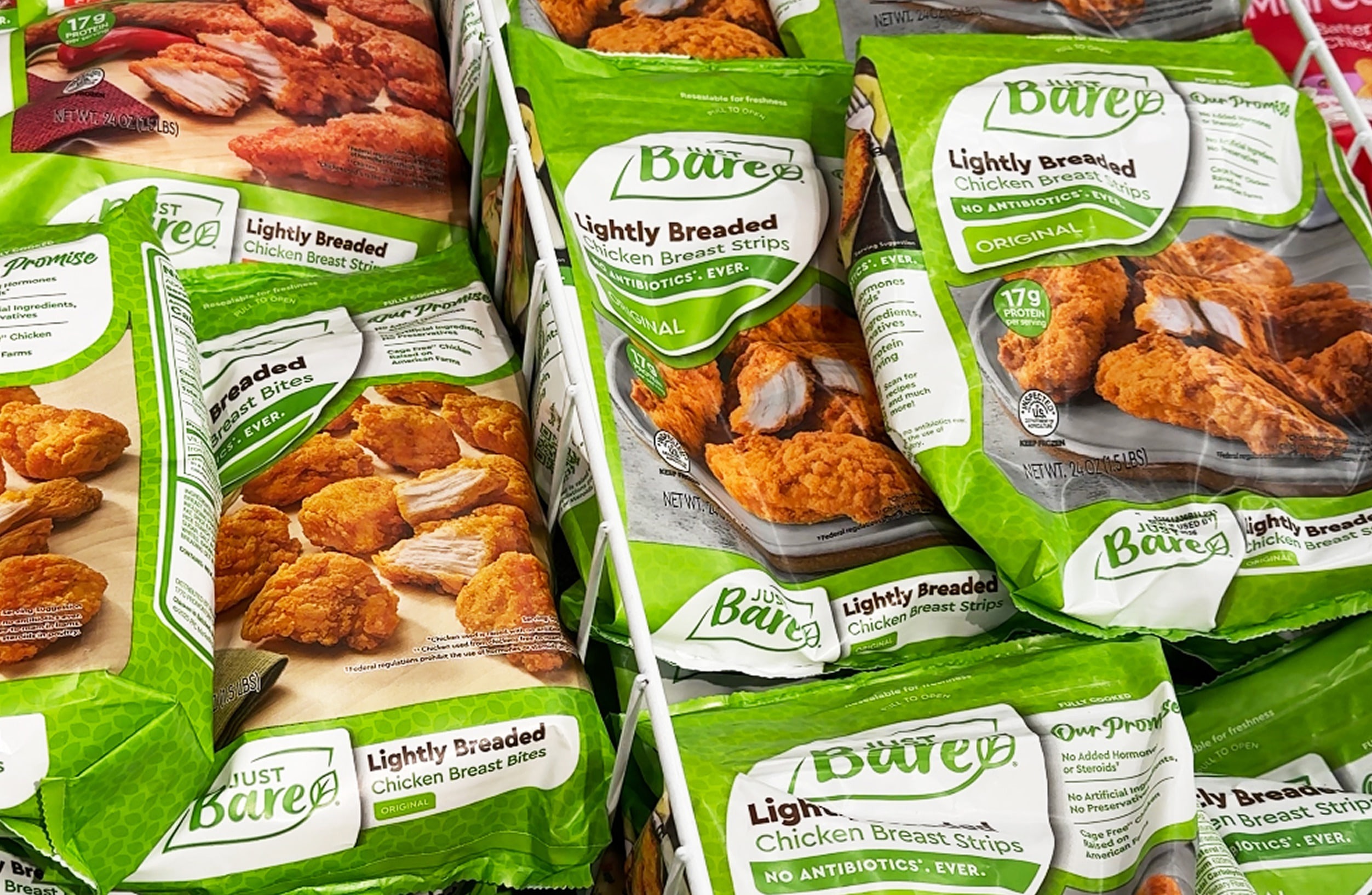
When you see a package that says, “No Hormones Added,” you’ll also notice a required USDA disclaimer explaining that federal regulations prohibit the use of hormones in poultry.
The statement is factual, but it also applies to every chicken sold in America.
Why Do Brands Still Include the Claim?
If every chicken is hormone free, why mention it at all?
Because it’s one of the most common questions shoppers ask.
Including the claim helps answer that question immediately while reassuring consumers who may not be familiar with poultry regulations.
For many brands, it’s also part of creating a transparent shopping experience by addressing the information people care about most.
Takeaway: Hormone-free isn’t something that separates one chicken from another. It’s the standard for all poultry sold in the United States.
Which Chicken Label is the Most Meaningful?
The answer depends on what matters most to you.
If avoiding antibiotics throughout the bird’s life is your priority, look for claims like No Antibiotics Ever or Raised Without Antibiotics.
If you’re looking for the broadest set of production standards – including organic feed, environmental stewardship, outdoor access, and animal care – the USDA Organic seal offers the most comprehensive certification available.
And when it comes to hormones, remember that every chicken sold in the United States is raised without added hormones, regardless of the label.
Rather than focusing on a single claim, many shoppers find it helpful to understand what each label communicates so they can choose the products that best align with their priorities.
Knowing what to look for when buying chicken starts with understanding what each label is actually telling you.
Read Chicken Labels with Confidence
Chicken labels aren’t meant to make shopping more confusing. They’re there to provide greater transparency about how food is raised.
Understanding the meaning behind claims like antibiotic free, USDA Organic, and hormone free helps you move beyond marketing language and make informed decisions based on facts.
At Just Bare, we believe informed shoppers make confident shoppers. That’s why we’re committed to providing clear information about how our chicken is raised, along with the transparency you deserve every time you pick up a package.
The next time you’re standing in front of the meat case, you’ll know exactly what those labels are telling you, and which ones matter most to you.
Frequently Asked Questions
Is all chicken added hormone free?
Yes. Federal regulations prohibit the use of added hormones in poultry production in the United States.
Is organic chicken antibiotic free?
Yes. USDA Organic standards prohibit the use of antibiotics.
Is antibiotic-free chicken the same as organic chicken?
No. Organic includes antibiotic-free production, but it also covers feed, farming practices, outdoor access, and additional USDA standards.
How do I read a chicken label?
Start by looking for USDA-regulated claims like Raised Without Antibiotics and the USDA Organic seal, then choose the labels that best align with what’s important to you.
* Chicken used is raised with no antibiotics ever.
† Federal regulations prohibit the use of hormones or steroids in poultry.
‡ Chickens are free to roam in barns