


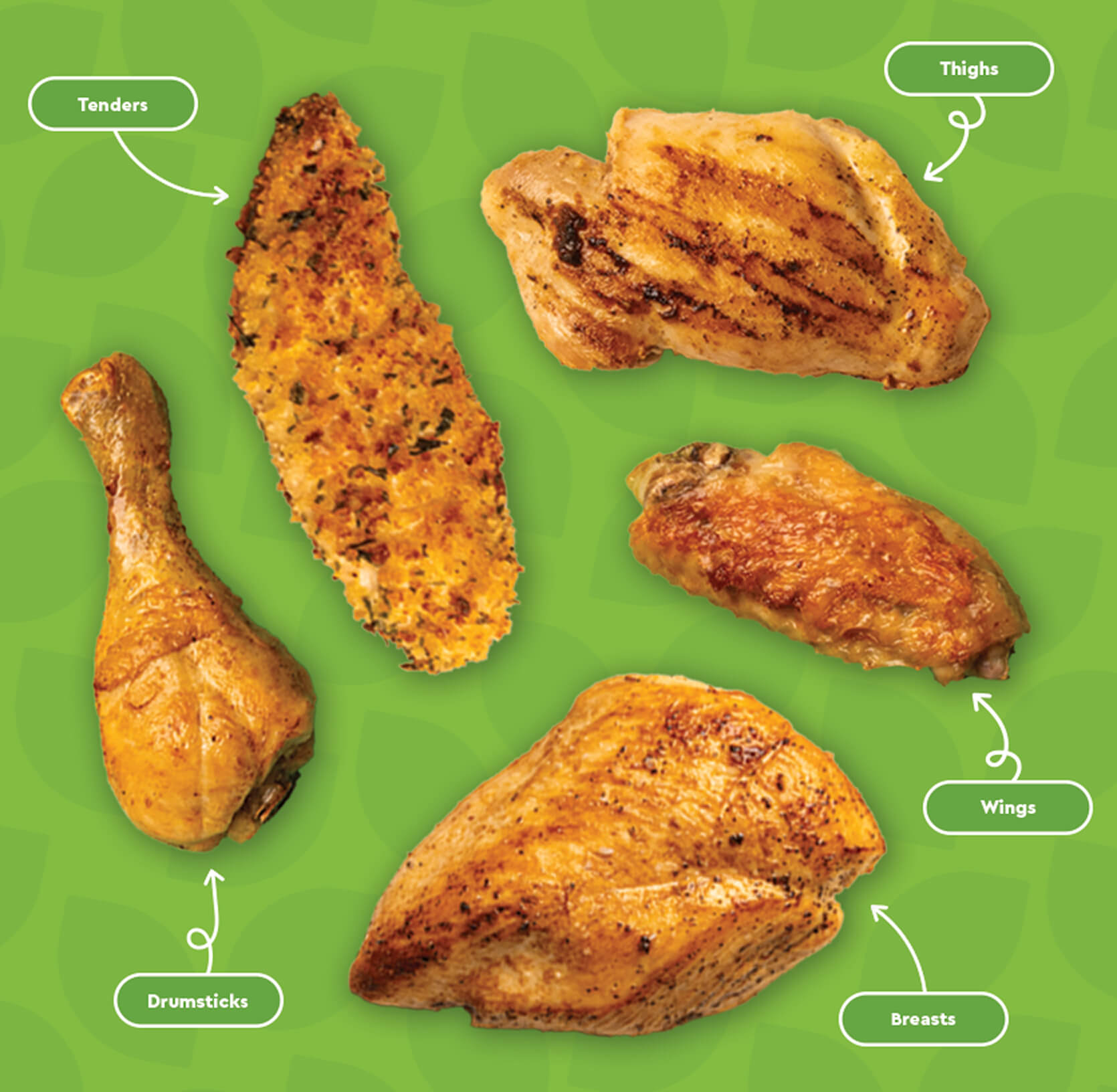
Walk through the chicken aisle and you’ll find plenty of options: breasts, thighs, wings, drumsticks, tenderloins, and more. While it’s easy to grab the same package every week, each cut has its own strengths depending on what you’re cooking.
Some cuts are lean and quick-cooking. Others are rich, juicy, and perfect for low-and-slow meals. Some are made for meal prep, while others shine on the grill or at your next game-day gathering.
Each cut offers something a little different, and understanding those differences gives you more confidence every time you cook.
Whether you’re planning weeknight dinners, stocking up for meal prep, or firing up the grill for the weekend, this chicken cuts guide will help you shop with confidence and discover new favorites along the way.
The Short Answer
If you’re looking for the quickest guide to the most common types of chicken cuts, here’s a simple breakdown:
- Chicken breasts: lean, versatile, and ideal for meal prep, salads, sandwiches, and healthy weeknight meals.
- Chicken thighs: rich, juicy, and forgiving. Perfect for grilling, roasting, braising, and bold flavors.
- Chicken tenderloins: the most naturally tender cut, great for quick dinners and homemade chicken tenders.
- Chicken wings: built for sharing and packed with flavor, making them a favorite for parties, tailgates, and game day.
- Chicken drumsticks: budget-friendly, family-friendly, and easy to cook on the grill or in the oven.
Each cut brings something different to the table, and knowing when to use each one opens up countless possibilities in the kitchen.

Why Knowing Your Chicken Cuts Matters
The right chicken cut can completely change the outcome of a recipe.
Ever end up with dry grilled chicken? Chances are the recipe, cooking method, or cut didn’t quite match. Likewise, a slow braise that would make thighs incredibly tender could leave chicken breasts overcooked.
Different cuts also come with different price points, cook times, and nutritional profiles. White meat and dark meat each have their own strengths, and neither is universally “better.” It simply depends on what you’re making.
Some cuts are naturally leaner, while others offer richer flavor and stay juicier during longer cooking. Understanding the difference between white meat and dark meat chicken can help you choose the right cut before you even start cooking.
The more comfortable you become with different cuts of chicken, the less you’ll rely on recipes telling you exactly what to buy – and the more confidently you’ll cook.
Chicken Breasts
What They Are
Chicken breasts are lean white meat taken from the front of the bird. Available both bone-in and boneless, they’re the most popular chicken cut in America – and for good reason.
Flavor & Texture
Chicken breasts have a mild, clean flavor that works with virtually any seasoning or cuisine. Their firm texture also makes them easy to slice, dice, shred, or grill without falling apart.
Because they’re naturally lean, they contain less fat than any other cut on the bird, making them a popular choice for balanced, high-protein meals.
Best For
Chicken breasts are incredibly versatile and work well for:
- Grilling, baking, pan-searing, and air frying
- Salads, wraps, grain bowls, and sandwiches
- Stir-fries, fajitas, and skillet dinners
- Chicken cuts for meal prep, staying fresh in the refrigerator for several days
Cooking Tips
Pull chicken breasts from the heat once they reach an internal temperature of 165ºF for juicy results. If you’re breading them, pounding them to an even thickness helps them cook consistently from edge to edge.
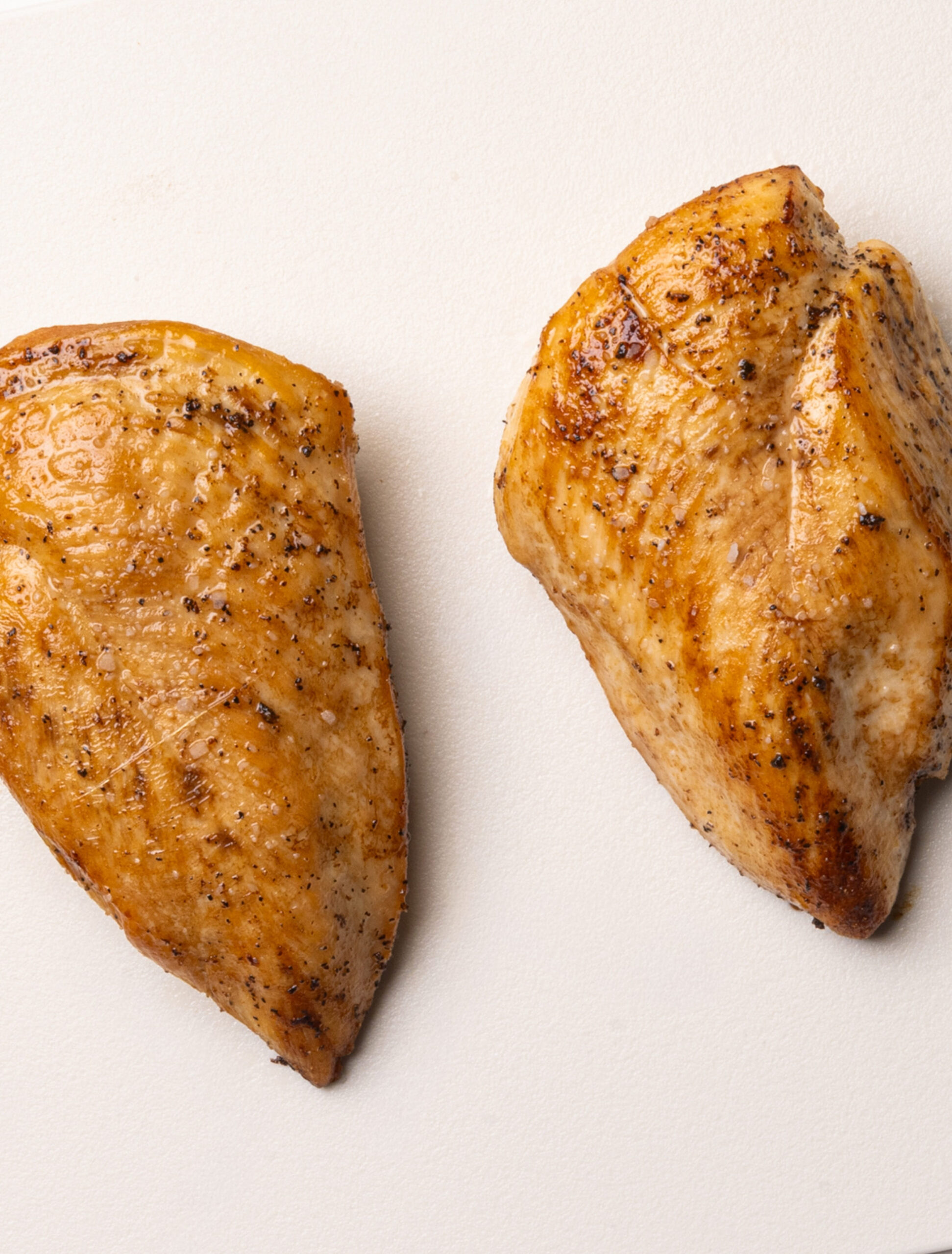
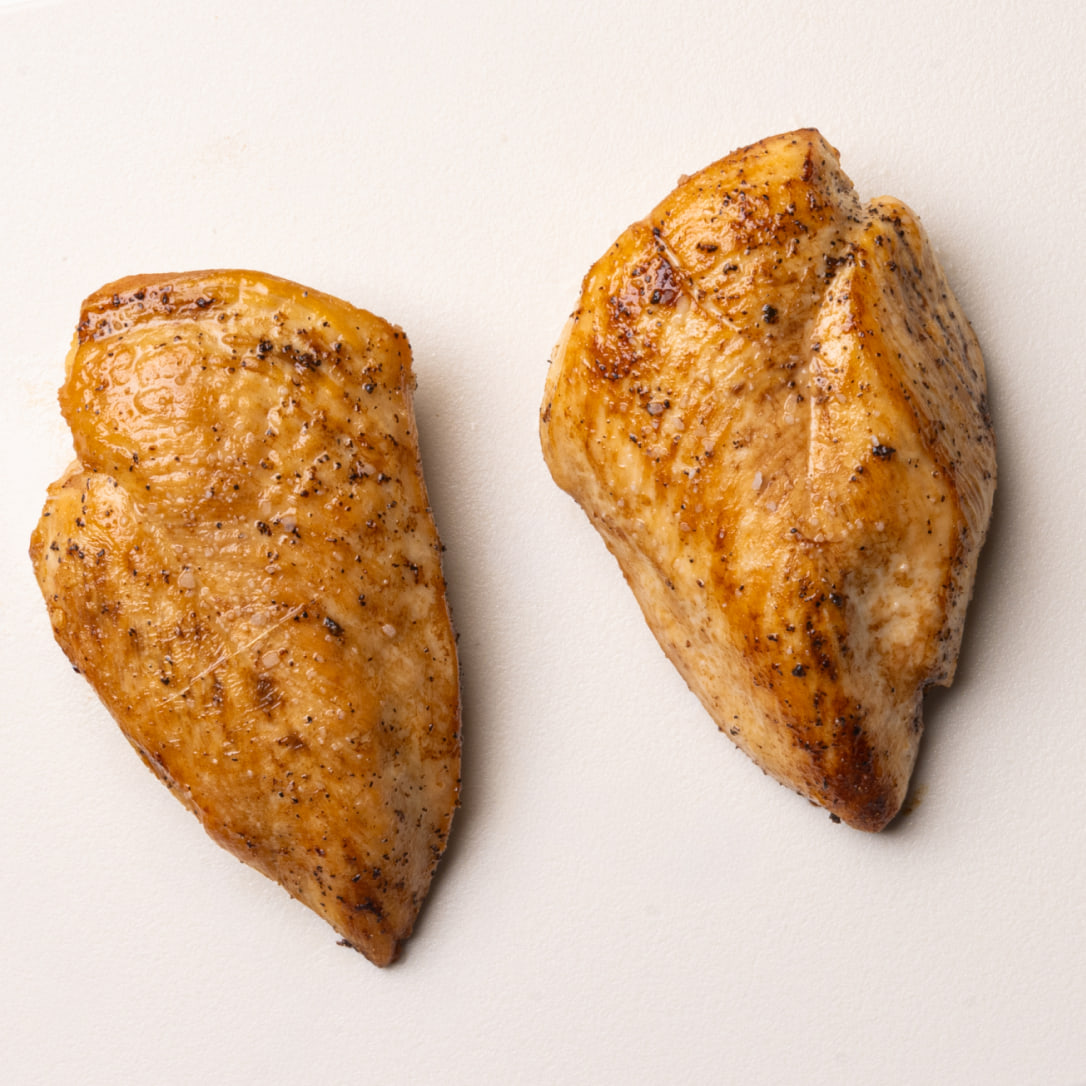
A quick marinade or brine can add even more moisture and flavor, and letting the meat rest for a few minutes before slicing helps keep those juices where they belong.
Why People Love Chicken Breasts
High in protein, low in fat, and endlessly adaptable, chicken breasts are a blank canvas for almost any recipe.
Chicken Thighs
What They Are
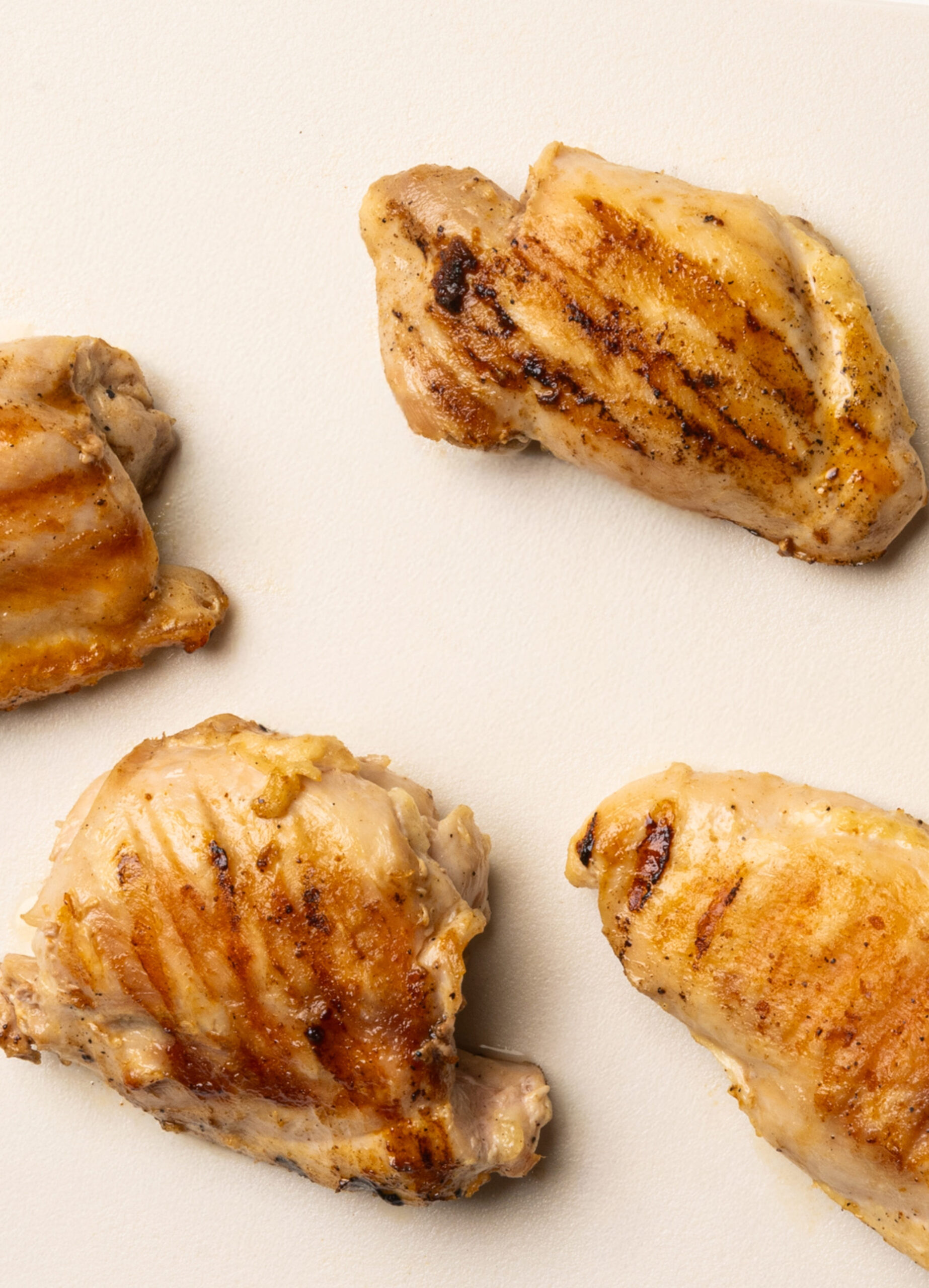
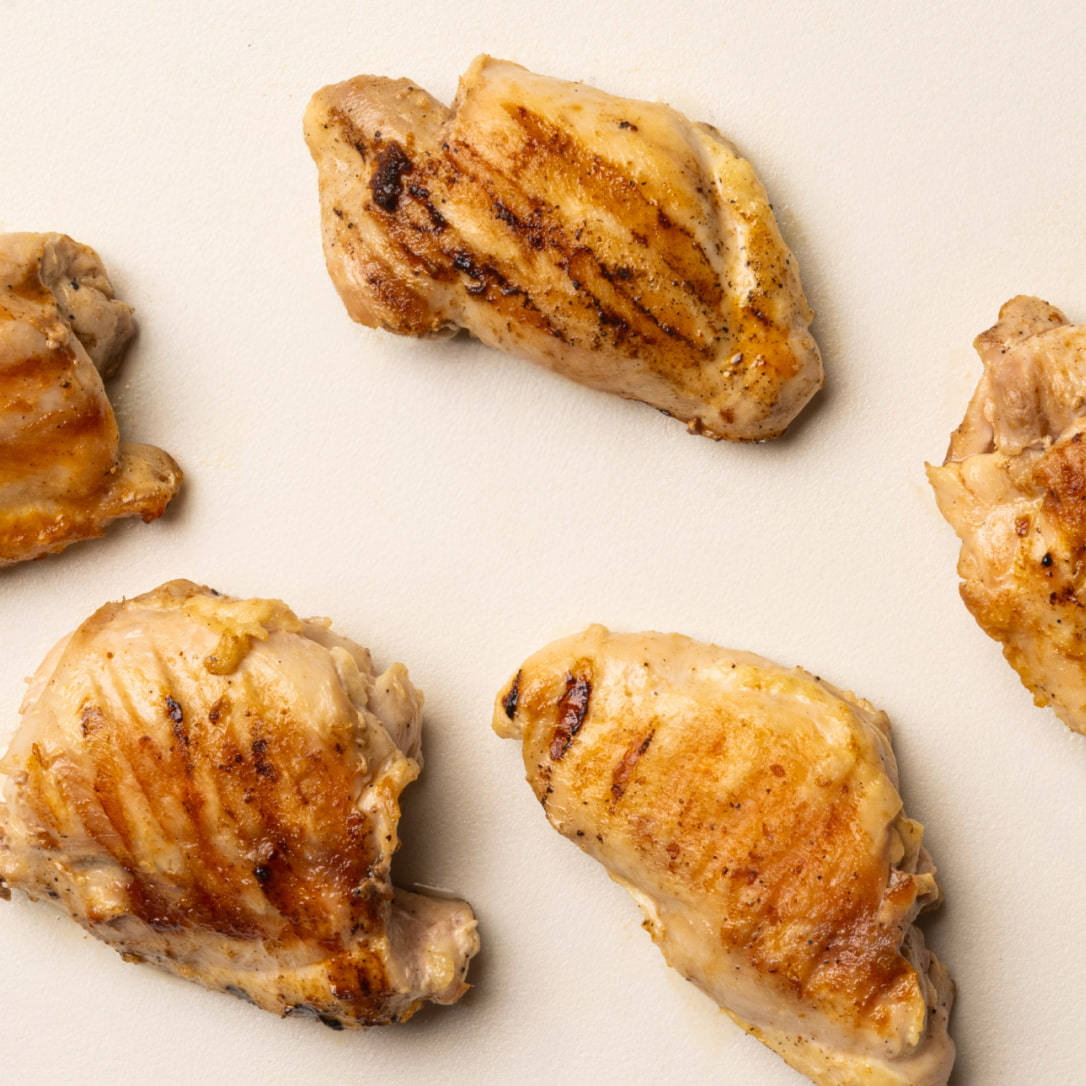
Chicken thighs come from the upper leg of the bird and are considered dark meat. They’re available bone-in or boneless, making them just as versatile as breasts while offering a very different eating experience.
Flavor & Texture
If you’re comparing chicken breast vs. thigh, flavor is where thighs really shine.
Chicken thighs are richer, juicier, and naturally more forgiving thanks to their slightly higher fat content. They stay tender through longer cooking times and absorb marinades and seasonings beautifully.
Best For
Chicken thighs are excellent for:
- Grilling and roasting
- Braising and slow cooking
- One-pan dinners and sheet-pan meals
- Curries, barbecue, stir-fries, and other boldly seasoned dishes
Bone-In vs. Boneless Chicken Thighs
Bone-in thighs deliver maximum flavor and stay especially juicy during longer cooks. Boneless chicken thighs cook faster, making them a great choice for busy weeknights.
Both have their place. It simply depends on how much time you have and the recipe you’re making.
Cooking Tips
Chicken thighs are one of the most forgiving cuts for beginners because they’re difficult to overcook. While chicken is considered safe at 165ºF, thighs often become even more tender around 175ºF as connective tissue continues to break down.
For crispy skin, pat them dry before seasoning and start skin-side down in a hot pan.
Why Thighs Are Having a Moment
Affordable, flavorful, and incredibly versatile, chicken thighs have become a favorite among both professional chefs and home cooks. They’re proof that sometimes the most flavorful cut is also one of the easiest to cook.
Chicken Tenderloins
What Are Chicken Tenderloins
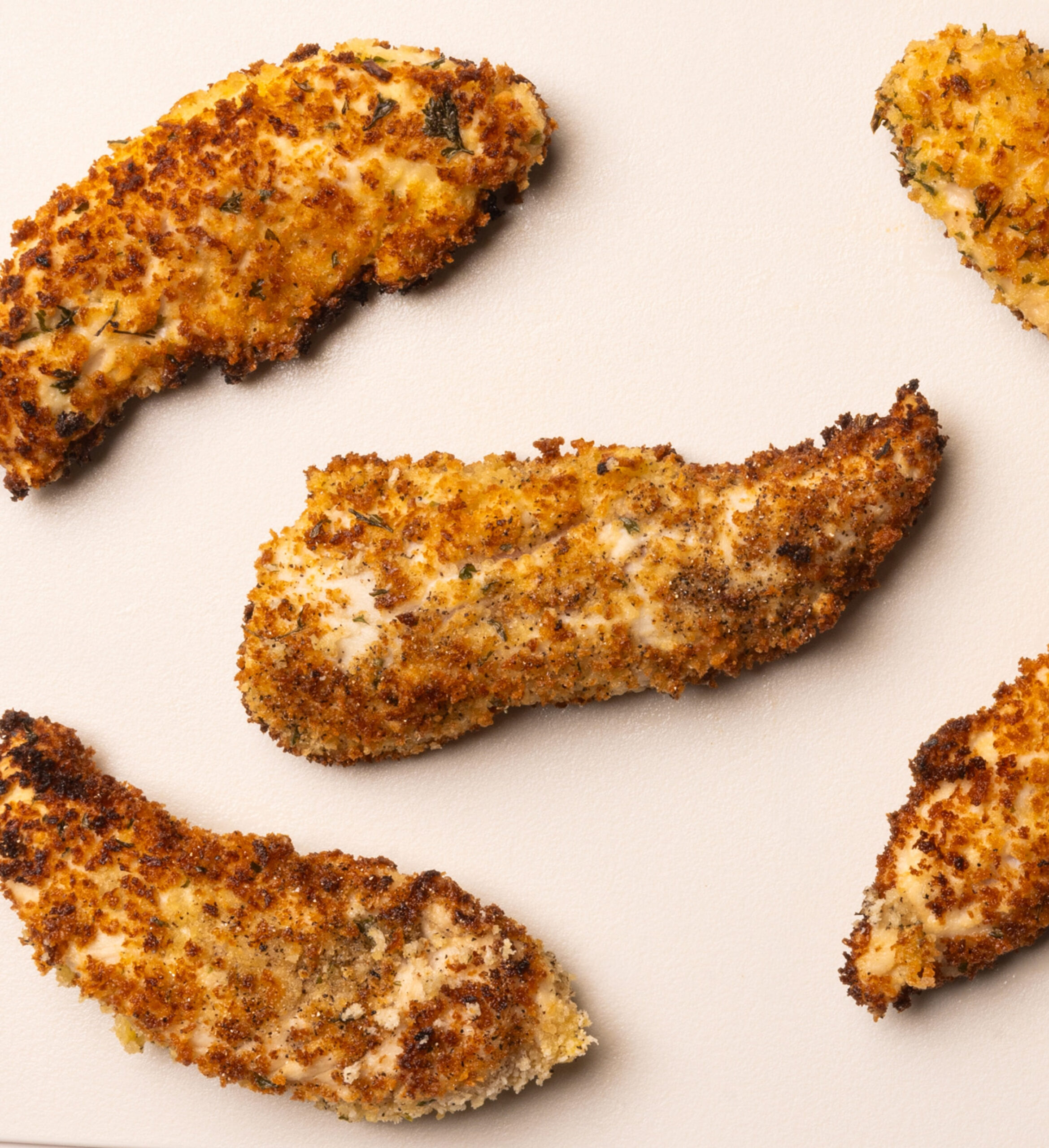
Chicken tenderloins are the small strips of muscle attached to the underside of each chicken breast. They’re actually a separate cut, even though they’re often packaged alongside breasts.
They’re also the most naturally tender cut on the entire bird.
Flavor & Texture
Tenderloins share the mild flavor of chicken breasts but have an even softer texture that almost melts in your mouth.
Because they’re naturally smaller and uniform in size, they cook quickly and evenly.
Best For
Chicken tenderloins are ideal for:
- Quick skillet dinners
- Stir-fries and sautés
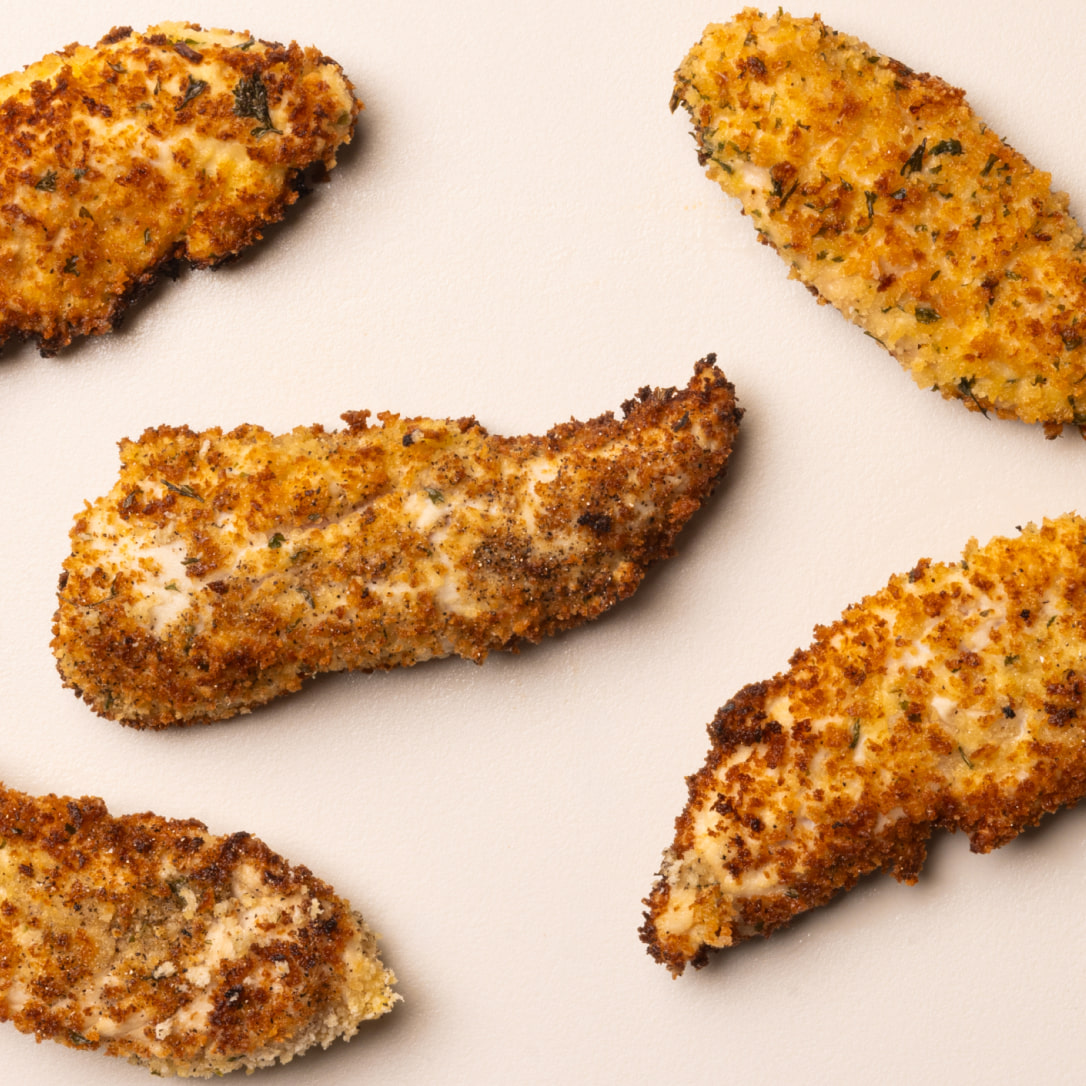
- Homemade chicken tenders
- Kabobs and grilled appetizers
- Fast weeknight meals
Cooking Tips
Because they cook in just a few minutes, it’s important to keep an eye on them. If desired, removing the small white tendon before cooking creates an even better texture.
Tenderloins also absorb marinades quickly, making them perfect when dinner needs to come together fast.
Why Tenderloins Are a Weeknight Favorite
Few cuts combine speed, tenderness, and convenience quite like chicken tenderloins. They’re pre-portioned, family-friendly, and one of the easiest proteins to get on the table after a busy day.
Chicken Wings
What They Are
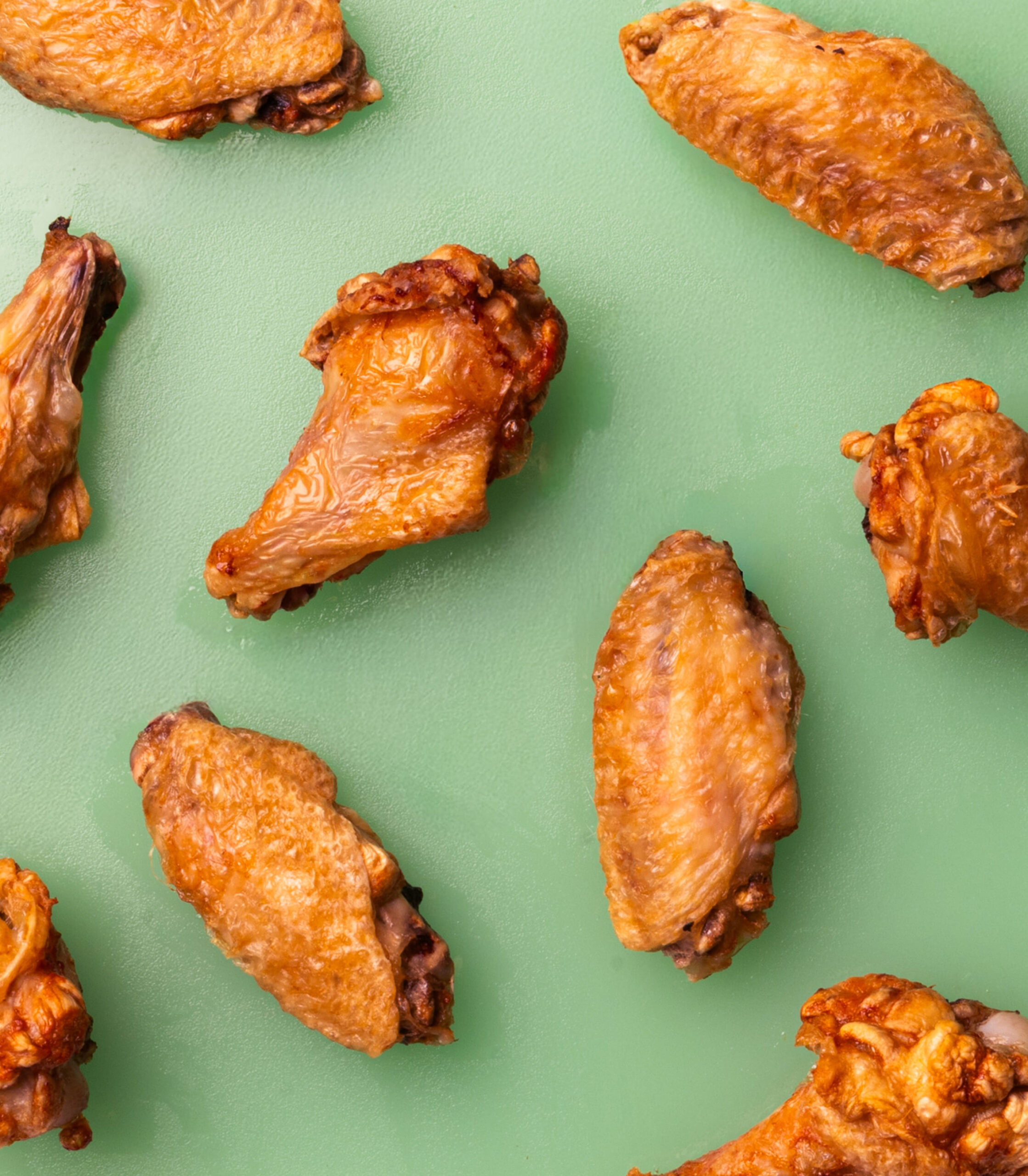
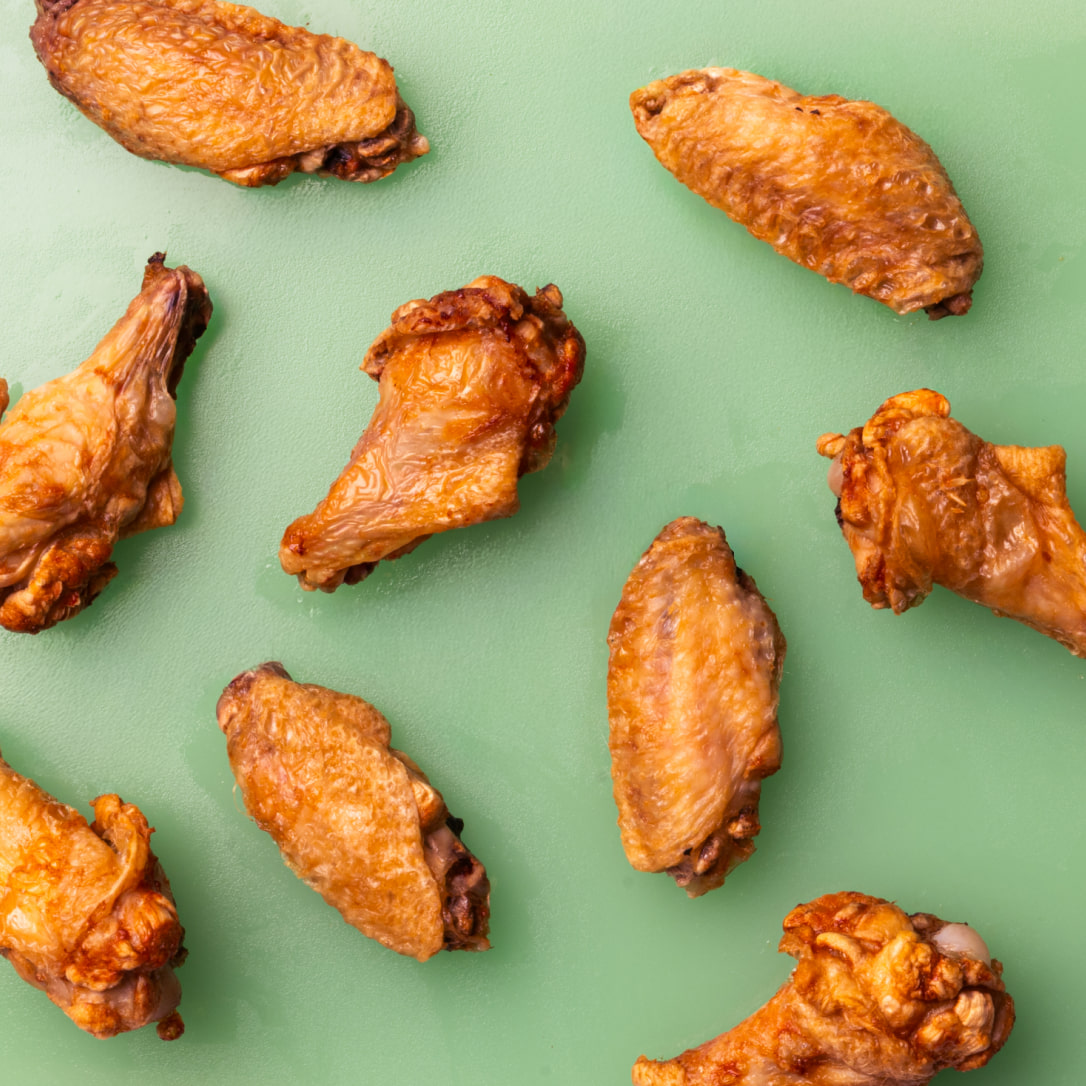
Chicken wings are typically divided into three parts: the drumette, the flat (sometimes called the wingette), and the wing tip. You may also find them sold whole or already separated into party wings.
Flavor & Texture
Thanks to their high skin-to-meat ratio, wings deliver rich flavor with crispy skin and juicy meat when cooked properly.
They’re also one of the most versatile cuts when it comes to sauces and seasonings.
Best For
Chicken wings are made for:
- Game day
- Tailgates
- Parties
- Family movie nights
- Frying, baking, air frying, grilling, and smoking
From Buffalo and lemon pepper to Korean barbecue and garlic parmesan, the possibilities are nearly endless.
Cooking Tips
For crispy wings, start by patting them completely dry before cooking. If baking in the oven, a light coating of baking powder can help create an extra-crispy exterior.
Add sauces after cooking rather than before to preserve that crisp texture.
Why Wings Never Go Out of Style
Wings go beyond just dinner and become an experience. Built for sharing and endlessly customizable, they’ve earned their place as one of America’s favorite comfort foods.
Chicken Drumsticks
What They Are
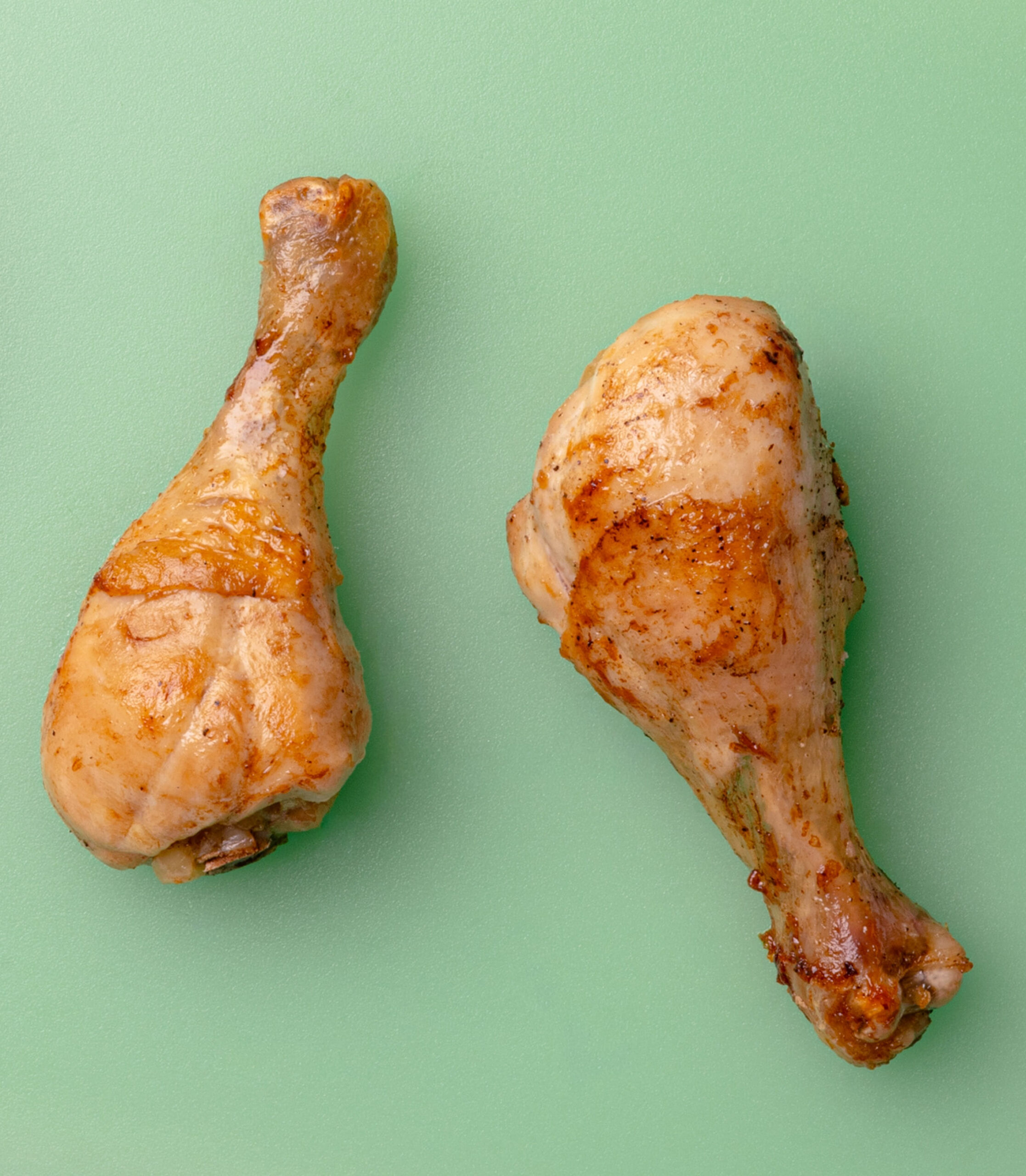
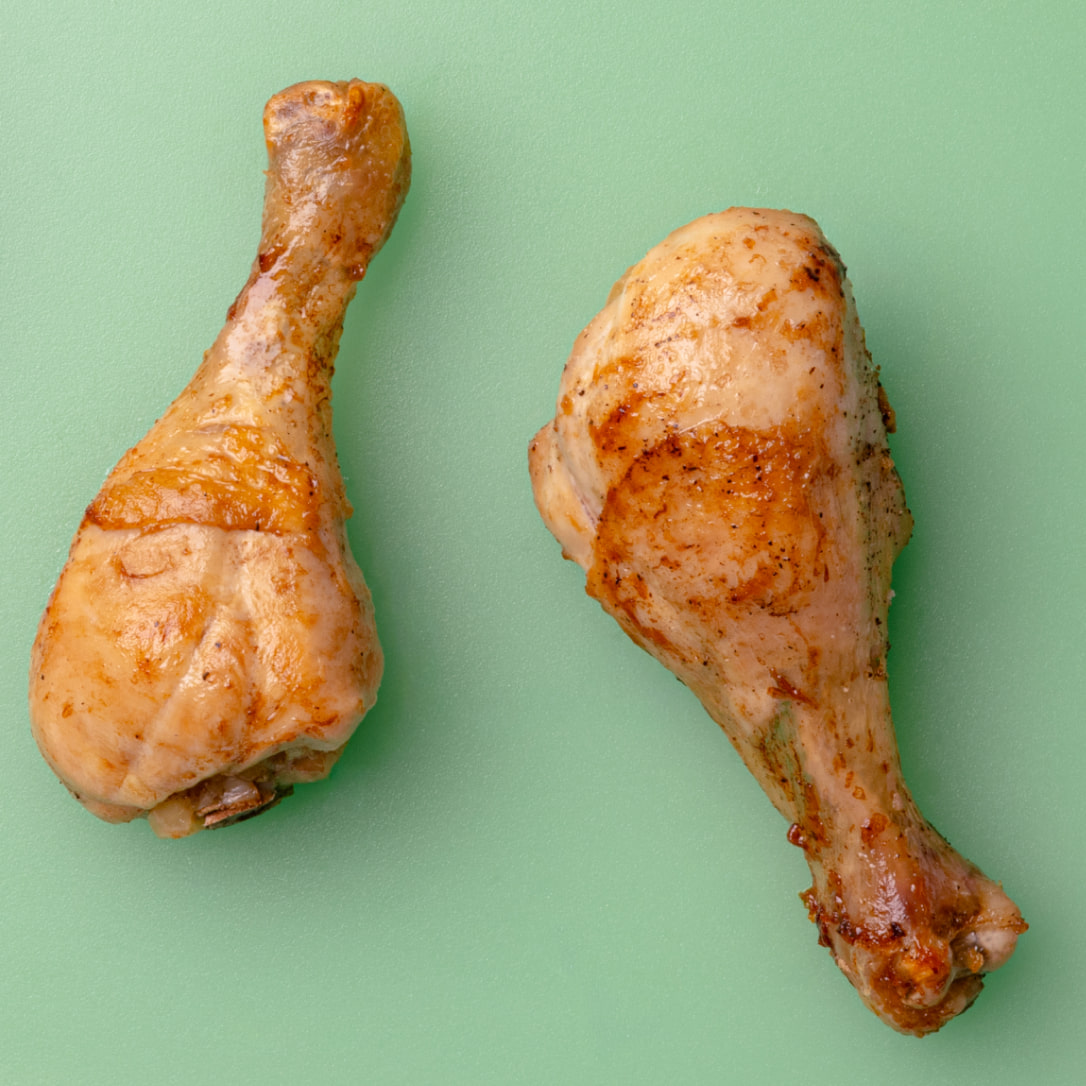
Chicken drumsticks are the lower portion of the leg. They’re bone-in, skin-on, and packed with rich dark meat.
They’re also one of the easiest cuts to recognize, not to mention cook.
Flavor & Texture
Chicken drumsticks offer juicy, flavorful dark meat with skin that crisps beautifully when roasted, grilled, or fried.
The bone helps retain moisture throughout cooking, making drumsticks especially forgiving for newer cooks.
Best For
Drumsticks are perfect for:
- Grilling
- Roasting
- Baking
- Frying
- Budget-friendly family dinners
- Cookouts and casual gatherings
Cooking Tips
Scoring the meat down to the bone can help drumsticks cook more evenly. They’re also a great candidate for bold marinades and dry rubs.
For crispy skin in the oven, place them on a wire rack so hot air circulates all the way around.
Why Drumsticks Deserve More Love
Affordable, flavorful, and easy to prepare, drumsticks continue to be a dependable favorite for families looking for satisfying meals without much fuss.
Which Chicken Cut Should You Choose?
Every chicken cut has its strengths.
If you’re meal prepping lunches for the week, chicken breasts are hard to beat.
Planning to grill? Chicken thighs deliver exceptional flavor and stay juicy over high heat.
Need dinner on the table in under 20 minutes? Tenderloins cook in just a few minutes and pair well with almost anything.
Hosting friends for the big game? Wings are always a crowd favorite.
Looking for a budget-friendly family meal? Drumsticks are affordable, easy to cook, and packed with flavor.
The best chicken cut is simply the one that matches the meal you’re making.
Frequently Asked Questions
What’s the difference between chicken breasts and thighs?
Chicken breasts are lean white meat with a mild flavor, while thighs are dark meat with a richer taste and higher fat content. Breasts are often chosen for meal prep and lighter meals, while thighs are prized for their tenderness and forgiving nature. Chicken breasts also cook best to 165ºF and benefit from careful cooking to stay juicy, while thighs remain tender even at slightly higher temperatures.
Which chicken cut is the most tender?
Chicken tenderloins are naturally the most tender cut on the bird, followed closely by properly cooked chicken thighs.
What’s the best chicken cut for grilling?
Chicken thighs are a favorite for grilling because they stay juicy over high heat, but chicken breasts, wings, and drumsticks also perform beautifully with the right technique.
What’s the difference between a drumstick and a thigh?
Both dark meat, but they come from different parts of the leg. The thigh is the upper portion, while the drumstick is the lower portion and includes the familiar built-in handle.
Are chicken thighs healthier than breasts?
Both are nutritious choices. Chicken breasts are leaner and lower in fat, while thighs contain a little more fat, which also gives them their richer flavor and juicier texture.
Which chicken cut is cheapest?
Prices vary, but drumsticks and bone-in chicken thighs are often among the most affordable cuts available.
Cook With Confidence
Every chicken cut brings something different to the table, and understanding those differences helps you make the most of every meal.
Whether you’re meal prepping with chicken breasts, grilling juicy thighs, serving up crispy wings for friends, or putting together a quick dinner with tenderloins, every cut has something unique to offer.
At Just Bare, we believe great meals start with understanding your ingredients. The more you know about each cut, the easier it becomes to choose the right one for every recipe, and to cook with confidence every time.