Page 5 – Just Bare Foods
Love Just Bare ? Leave us a review!

Tailgating U

Exuberant fans + asphalt neighborhoods.

The idea of celebrating outdoors in the brisk autumn air is a time-honored tradition harkening back to harvest festivals. College football parties most likely started on Ivy League campuses more than a century ago. Over time, ardent tailgating has become a mainstay activity at collegiate, professional or high school events. It’s one last hurrah before winter social hibernation sets in. Football (since the season is short and the number of home games limited) and auto racing are particular favorites for pre-game partying.

Envisioning a parking lot as the perfect setting for a gathering takes some imagination, but it’s easy once a sea of happy revelers get together to create a temporary neighborhood, socializing with friends and meeting new comrades. In fact, some dedicated tailgaters care more about the pre-game fun and never attend the game inside the stadium.

A great tailgating party doesn’t just happen.

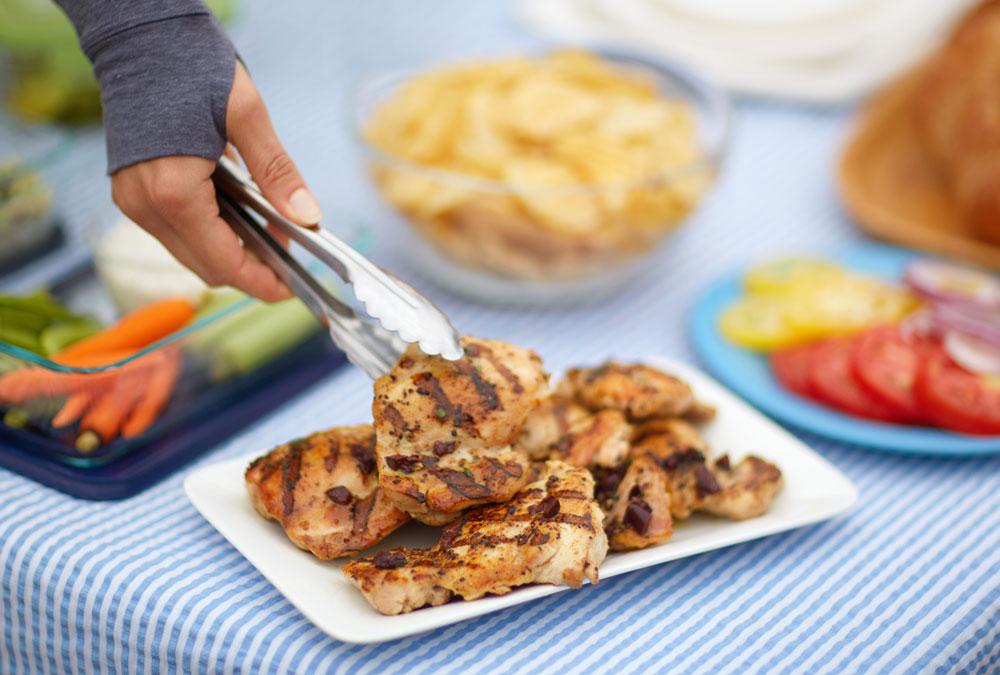
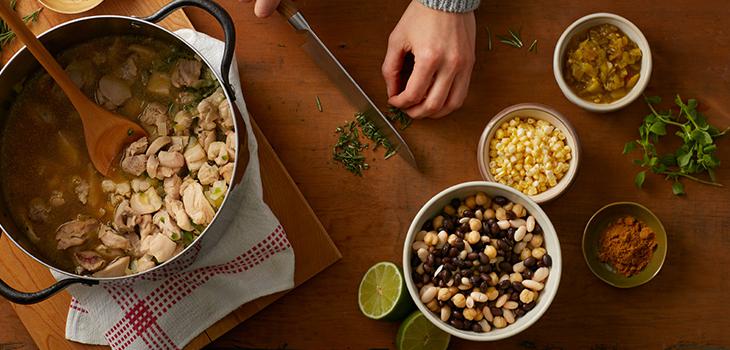
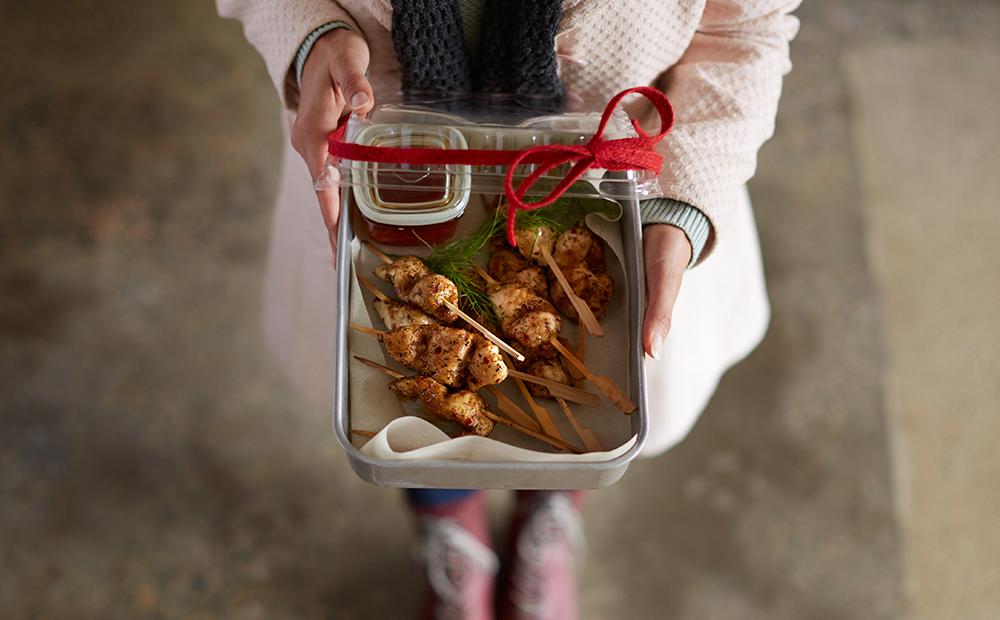
Making a plan is key. Decide, for instance, if you want to invite your guests to bring a dish to share or if you’d rather do everything and maybe slow cook a big pot of shredded salsa verde chicken ahead of time for a creative build-your-own taco bar (using a camp stove to reheat). Or you could get all smoky and grill pre-seasoned chicken cutlets for hearty Greek-style sandwichesChicken Brochettes with Chimichurri Salsa or Coffee-Rubbed Drumsticks served with a creamy fresh fennel coleslaw are good do-aheads, ready to sizzle on a hot grill grate. 

It’s all more fun and much less fussy if your menu is based on items you can make ahead of time that are easy to tote. Pack coolers with chilled food just before leaving home, with meat on the bottom in direct contact with ice packs. Wrap breakable bowls filled with slaw or potato salad or pickle-filled jars in tea towels to settle into the cooler, with condiments and veggies packed last.

Let the grilling games begin.

Some sources estimate that 92 percent of tailgate pro’s make at least part of their food on the grill, but in the last 10 years as the quest for better food has become mainstream, menus are now more creative. A hallmark of modern tailgating is a culinary competition that drives the event. Fan-generated entertainment is an integral part of the excitement.

If a char-grilled dish is at the heart of your menu, a small kettle or hibachi grill is tailor-made for tailgating. Set the grill up at least two feet or more from your vehicle. A chimney starter with newspaper or compressed fire starter cubes help get the coals going quickly. And try not to over-build the fire, using just enough charcoal to cook your food so it’s faster to extinguish the coals.  

Food safety scores big.

To stave off hunger, set out snacks (like veggies, chips and layered dips) for grazing first. But wait to unpack chilled foods until the grill is fired up. Or if a family-style potluck is on the menu, wait until tables and chairs are set up and ready for the community spread. The buffet should be packed up again no later than two hours after the party begins.

As soon as food is off the grill, start cooling things down. Carefully remove the grill grate, close any air vents, then stir the charcoal with tongs or a stick. After a few minutes gently spray the coals with water (from that spritz bottle you should keep on hand to prevent flare ups), and cover the grill if there’s a lid. Transport the cooled grill with the coal ashes and safely dispose at home.

Ambiance + Spirit – Tips from the Pros.

Tailgating traditions embrace the best of sports enthusiasm. Bonding over common passions and good times had by all prevail despite friendly rivalries.

Every coach in every pre-game interview says that winning comes down to the fundamentals, and it’s true for tailgating too. Here, blocking and tackling means making sure you have all the essentials at the ready when the big day arrives, and a detailed checklist makes this prep-work fast and easy.

(Almost) 50 Ways with Home-Roasted Chicken

It’s the dinner dilemma again.

At 4:00 p.m., is there an express lane grocery run in your future? A market drive-by to snag a rotisserie chicken always works for hot fare ready to go. But when you’ve got a few loose hours, maybe on a late Sunday afternoon, it’s just as easy to wrangle and roast two fresh chickens yourself. Consider it a twin score. It’s a comforting supper one night and the start of a second supper stashed in the fridge, ready and waiting to become a brand new fresh meal in minutes.

Roasting Cheat Sheet

Getting two chickens ready for a hot oven takes no more than 15 minutes. Set the stage first by heating up your oven to 425 ̊ F (turn on the convection option if you have it; the circulating air reduces roasting time and really crisps up the skin). Line a large shallow roasting pan or rimmed baking sheet with baking parchment (you can still save pan juices while making clean up faster). Settle two chickens side-by-side in the pan—no rinsing needed. If you’d like, stuff them with a few fresh lemon or onion wedges. Tie their legs together with kitchen twine and tuck their wings under the breasts, making them into compact packages that will cook evenly.

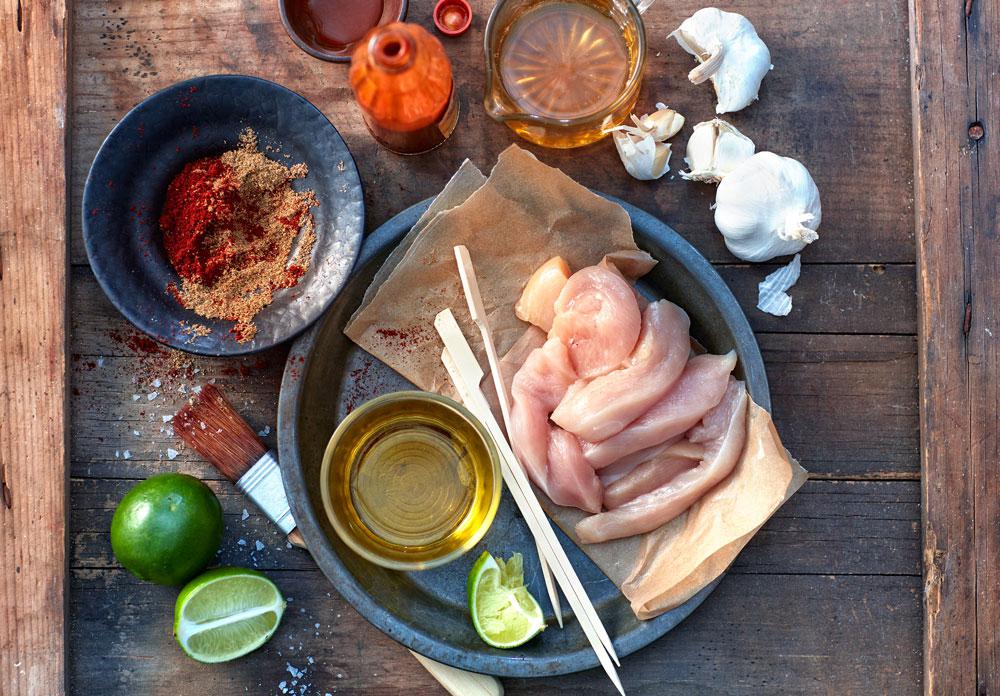
Now you can get creative with seasoning. Rub them lightly with olive oil or softened butter. Sprinkle liberally with coarse salt and ground pepper, along with your favorite dried herbs or spice blends that might complement how you plan to serve them. A pungent mix of ground smoked hot chiles and cumin or a fragrant mingling of crushed coriander, cinnamon, ginger and turmeric will pave the way for tacos or a quick curry. Pop the chickens into the oven and plan for 20 minutes per pound. A 3-1/2 pound birds need about an hour (click here for details). They should be a gorgeous golden mahogany brown, with no pink near the bones of the thighs. Roasting at a high temperature ensures moist and very tender meat.

Out of the Hot Oven

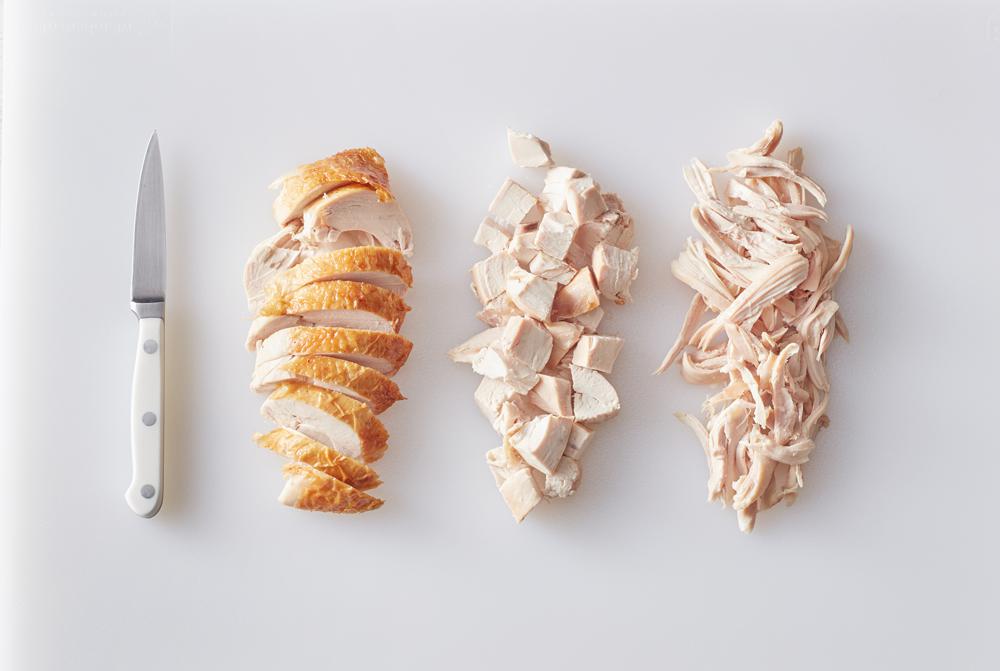
Take a minute to strategically plan how you want to use your chicken bounty (and get that grocery list started). Carve up one for dinner tonight? Slice, chop or shred for a bonus supper (or two) tomorrow? Or use both chickens to stock your freezer for the future? It’s easy to pull a freshly roasted bird into pieces, taking off the leg and thigh together, twisting off the wings, then slicing the breast halves from the center bone. Neatly slice the breast meat and refrigerate it for a pretty main dish salad; chop or shred both light and dark meat and store in 1-1/2 cup containers for tacos, pizza toppings or soups. Refrigerated cooked chicken is best used within 4 days. But if part of the meat is destined for the freezer, be sure the containers are sealed tightly and marked with a stash date, aiming to use the chicken within four months. Proper storage is key to the best eating quality—don’t waste your efforts!

Dilemma Solved

Take a moment to bask in the relief that you’re steps ahead for getting really good suppers on the table this week. Now is the fun part, and the sky is the limit. Browse through these recipe suggestions and make them your own, or click on our formal recipes that call for cooked chicken.

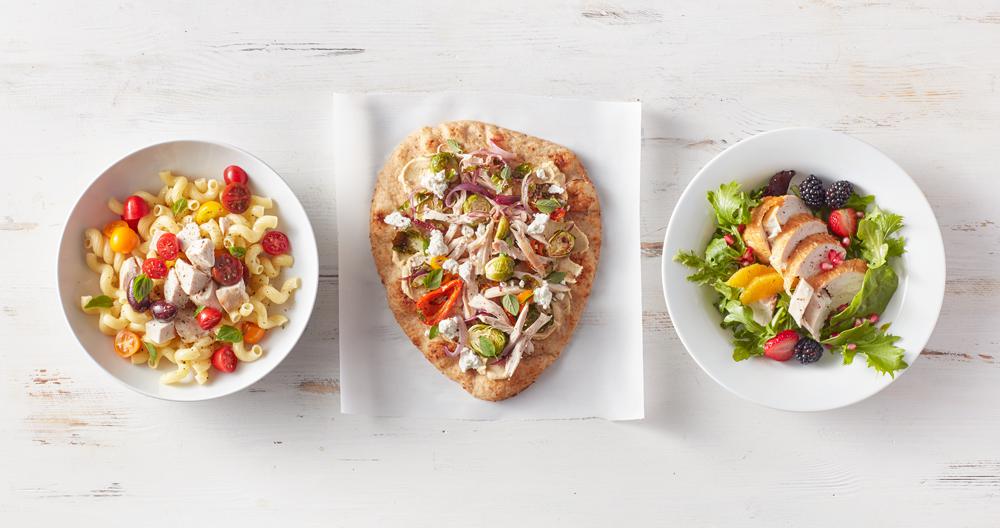
  • Chicken salad starter (chopped and mixed with celery, flavored mayo, etc.) for sandwiches, paninis, open-face melted cheese sandwiches, wraps or stuffed into an avocado or tomato half.
  • Pizza topper with assortment of sauces, cheeses, other no-prep toppings on par-baked pizza/flatbread crusts.
  • A player with pasta in salads or uncooked pasta “sauces” or to bulk up mac ‘n cheese.
  • Deconstructed main dish salads like a big Greek platter, Niçoise, cobb or Caesar—a bed of greens
  • topped with sliced or chopped chicken, roasted asparagus, tomatoes, olives, crumbled feta, steamed new potatoes, hard-cooked eggs, bacon, etc.
  • Mason jar layered salads
  • Baked russet or sweet potato bar toppers with chopped and seasoned chicken, cheeses, sour cream, herbs.
  • Easy pot pies mix with an herbal gravy and roast veggies and topped with smashed potatoes.
  • Fast ramen bowls mixed in with a good broth, rice noodles and lots of fresh herbs, hoisin sauce and Sriracha.
  • Speed up hot dishes from impromptu lasagna or tetrazzini to a creamy rice casserole.
  • Fill up omelets or frittatas by tossing in leftover veggies, crumbled goat cheese and maybe a handful of
  • crisp bacon.
  • Fry up with root vegetables in a hash and top with a fried egg.
  • Swim in a soup or creamy chowder.

Cheesy Grilled Goodness

Is there anything this sandwich can’t do?

Grilled cheese is a charmer. It wins friends pretty much at hello, and for many people the introduction starts early. Often, the relationship goes so far back to childhood that it’s nearly impossible to say when you first took a bite of a sandwich that remains a true and trusted friend all the way into adulthood.

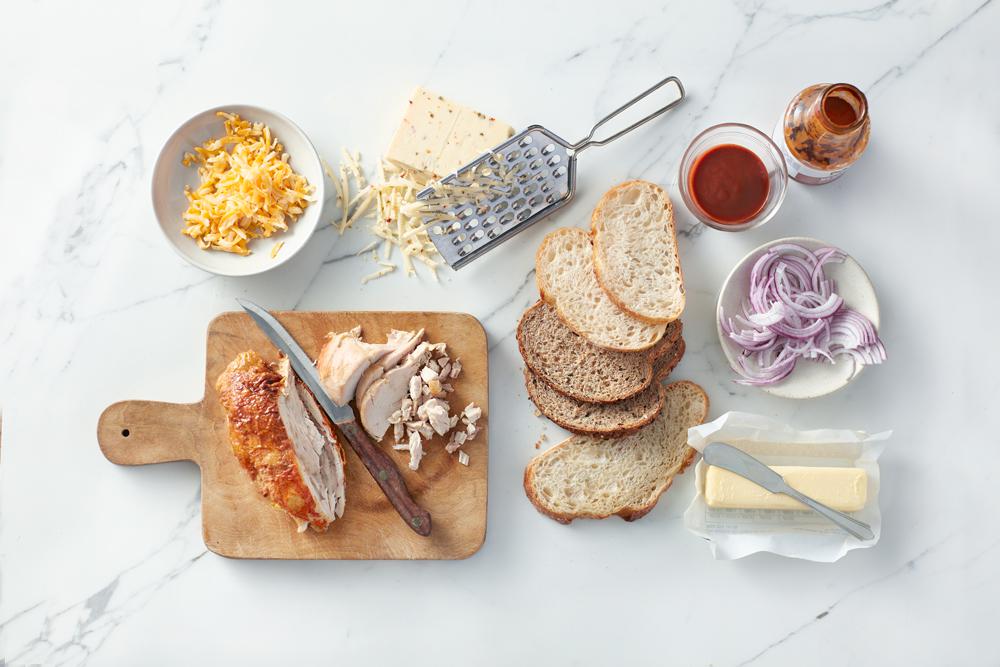
What’s more, the plain grilled cheese of youth has gone through its own transformations over the years, and the grown-up versions popular now make this timeless classic even more mouthwatering. Today’s treat: Cowboy Barbeque Chicken Grilled Cheese.

This changes everything.

The essential goodness of a grilled cheese sandwich is the crisp, browned exterior and the ooey-gooey, melted interior. But every variable can change — the cheese or cheeses, the bread, the butter — which in turns changes the character of the sandwich.

What if you added the lean and clean protein of Just Bare chicken along with the bold flavors of barbeque sauce and red onions? Even better, why not save time by using Just Bare Rotisserie chicken from the deli? For consistent texture, it’s a good idea to chop or shred the chicken into small pieces. In minutes, you’ll be ready to start grilling — this time in the oven.

Pressing the issue.

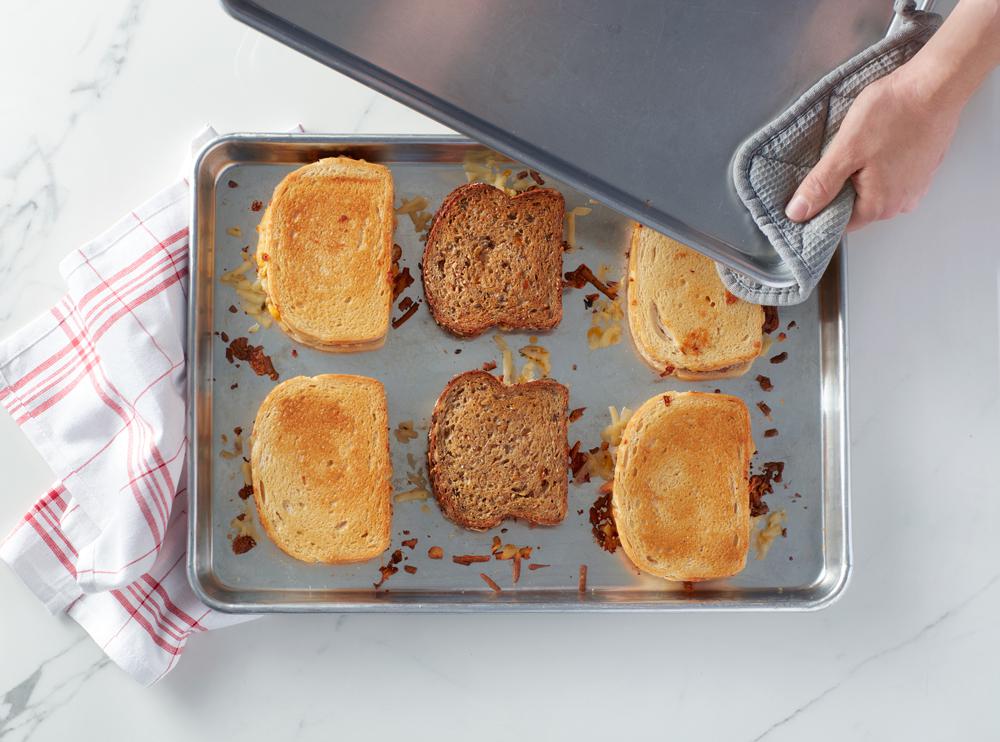
There are a variety of techniques for getting a perfectly crisp, browned exterior and melted cheese on the inside. If you’re making just one or two, you can press the sandwiches between two heavy skillets. To weight down the top skillet, use a big can or two from the pantry.

For a larger quantity of sandwiches, consider using two large rimmed baking sheets, also known as half-sheet pans. A good strategy for making sure the baking sheets are the right temperature is to put the pans in the oven while you’re preheating it to 400° F. That way, when the oven comes up to temperature, you know the baking sheets are 400° F too. Be careful, of course, handling the hot pans and adding something heavy to weight down the top pan. A heavy pizza stove or cast iron skillet would be ideal to press down the top pan.

Order up! Grilled cheese glory.

One last comment on the essential ingredient in a great grilled cheese sandwich. That’s the cheese, of course, and there is seemingly an infinite selection to choose from. There’s a scientific explanation for why some varieties melt better than others, but a good rule of thumb is milder, softer cheeses melt better than harder, sharper cheeses that have been aged longer. This recipe suggests shredded Provolone, Havarti or Gouda cheese. Other options could be Swiss, Colby or Muenster.

Got that oven preheated yet? For lunch, supper or a late night snack, Cowboy Barbeque Chicken Grilled Cheese is a new grilled cheese classic that satisfies like never before.

Destination: Vietnam

Irresistible in every way.

Even before you taste it, your senses are telling you a dazzling experience awaits. Aromatic herbs and pungent fish sauce evoke curiosity. A colorful medley of fresh veggies extend a visual invitation. And the actual taste? That’s where it all comes together in Vietnamese cooking. The acclaimed and diverse cuisine of Vietnam is noted for its delicious balance of flavors. All five – sweet, salty, sour, bitter and umami – are often represented in a single dish. The combination is irresistible.

National flower, lotus. National cuisine, equally as distinctive.

Vietnam is a country comparable in size to Italy with food traditions centuries old. Close contact with neighboring cultures has shaped historic and contemporary Vietnamese cuisine, and the country has incorporated items from farther away such as French baguettes and chile peppers from the Americas. But with a coastline of more than 2,000 miles (excluding islands), it’s fish and seafood that influence much of Vietnam’s cooking. Fish sauce in particular is a key ingredient, and it’s included in this new recipe for Vietnamese Lemongrass Chicken With Glass Noodles. A fermented sauce made from anchovies and salt, fish sauce is an umami staple, similar to gochujang in Korea or miso in Japan.

Prep, then proceed.

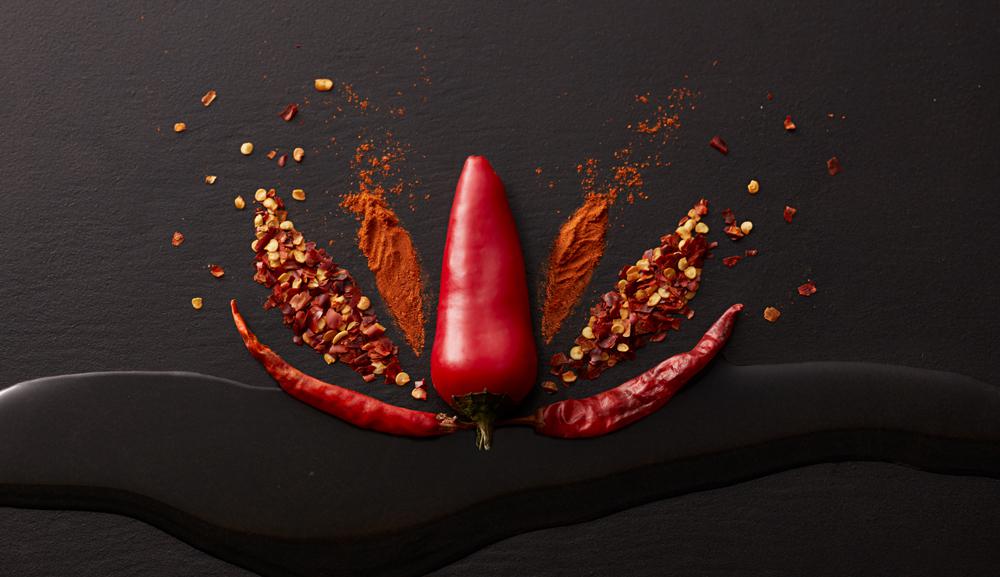
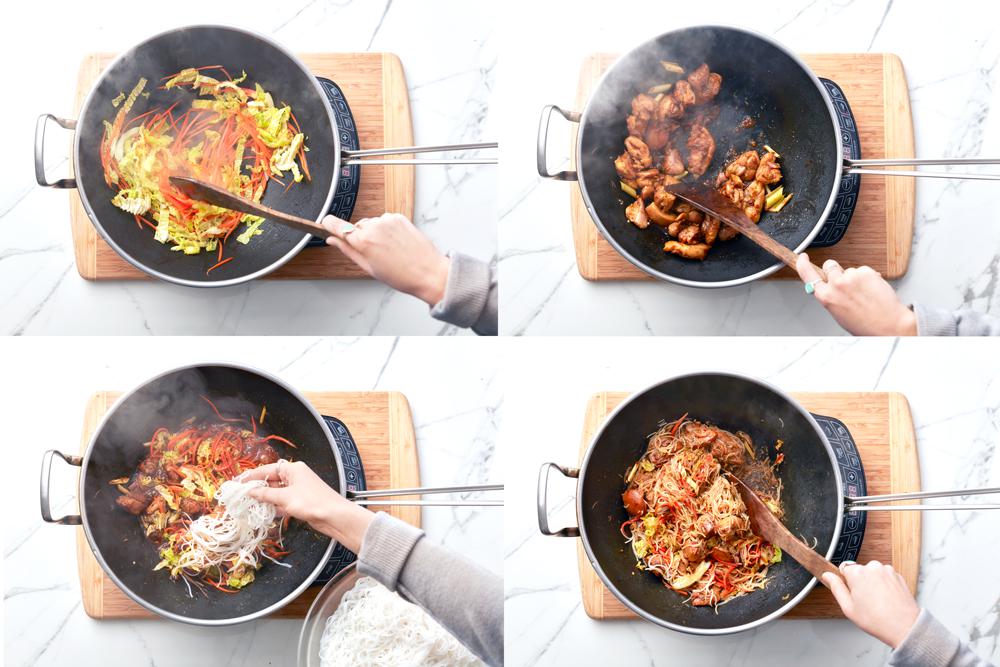
In addition to fish sauce, Vietnamese Lemongrass Chicken With Glass Noodles builds its rich flavor profile with brown sugar, limes, crushed red pepper and other more. The recipe is simple and cooks very quickly, but the essential first step for a successful stir fry is preparation. Cook the noodles, and make sure everything is measured and cut or shredded before you start heating up the wok. Stir fry the veggies first and remove. Then add the chicken, and when it’s done, return the vegetables to the wok along with the noodles. That’s it. Top with green onions and fresh mint, cilantro or Thai basil.

More fish sauce, please.

Vietnam isn’t the only country that enjoys fish sauce. Other countries include Cambodia, Laos, Thailand, Myanmar and China. In ancient Greece and Rome, a fish sauce called garum was popular. As you get familiar with fish sauce in Vietnamese Lemongrass Chicken With Glass Noodles, let the balance of flavors inspire even more creativity.

Tempted By Turmeric

The best way to understand why turmeric is so popular is to realize it’s always had a big fan base. The appeal began at least 4,000 years ago and not just as a cooking ingredient. Historically, turmeric has also been valued as a medicine, cosmetic, even a dye. For everyone these days who’s brewing up turmeric tea as a digestive aid or blending it into smoothies for anti-inflammatory purposes, there are many thousands more worldwide enjoying turmeric for its two essential characteristics — flavor and versatility.

Root for the rhizome.

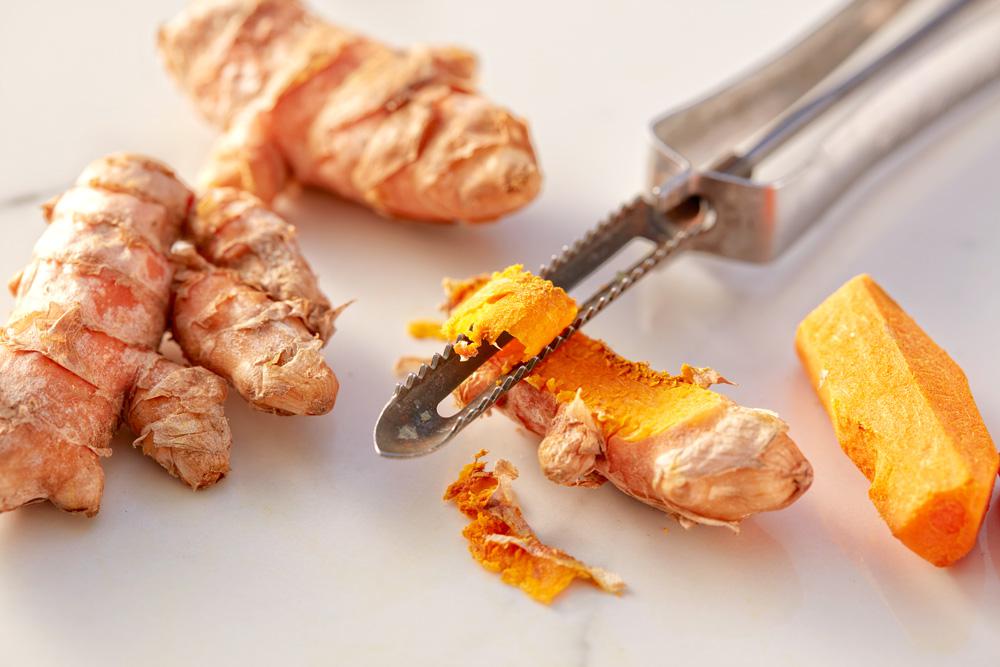
You’ve probably seen turmeric most often as a yellow-orange, finely ground dried powder. But you can also find it fresh in the produce section of a grocery store. It resembles fresh ginger, and though botanically they’re related, neither are roots. Technically, they’re rhizomes which are horizontally growing, underground stems of the plant. Galangal is also related within the Zingiberaceae family, native to tropical areas of the world.

To prepare fresh turmeric for cooking, use a vegetable peeler to remove the skin, and then slice, mince or grate it depending on the recipe. The flavor of fresh turmeric is peppery and slightly bitter. It’s aromatic with a pungent, earthy smell. You may want to wear kitchen gloves to avoid staining your fingertips. Turmeric gives yellow mustard and curries their bright colors, and it will readily impart its distinctive hue to hands, cutting boards and countertops.

All together now.

Turmeric is a true team player in the world of spice. It blends and mixes well with a full range of spices including allspice, chilies, coriander, cumin, nutmeg and more. In this recipe for Turmeric Curry Chicken, it lends its subtle but signature flavor to a vibrant, hearty sauce made with fresh ginger, garlic, lime, brown sugar, cinnamon, anise and coconut milk. You can begin combining ingredients for the sauce with a mortar and pestle, or use a small food processor. It’s a treat for your senses during preparation and cooking and especially when dinner is served.

Color your world.

Historically, great discoveries have been made in pursuit of new and different spices. Where will turmeric take you? Oven Roasted Chicken And Veggies With Turmeric is an excellent starting point. Let your voyages of creative exploration begin with turmeric leading the way.

More Than Kimchi

Foods meant for feasting.

Korean cooking sets a high standard for turning daily meals into special occasions, and it’s the flavor as much as the ingredients that bring people together in such celebratory ways. If there’s a secret to the drawing power of Korean cuisine, it’s an open secret. Simply stated, umami is a constant. A wide range of traditional ingredients such as soy sauce and dried anchovies establish this important fifth taste along with fermented foods such as kimchi. And that’s just the starting point. There are all kinds of flavors to discover.

Bap and banchan set the stage.

In the Korean language, cooked rice is called bap. It’s served individually to each person at the table unless the main course is a noodle dish or porridge. Side dishes are called banchan, and there are an endless variety. One reason is the country’s long culinary history, and another is geography. Mountainous areas, for instance, developed different favorites than coastal regions.

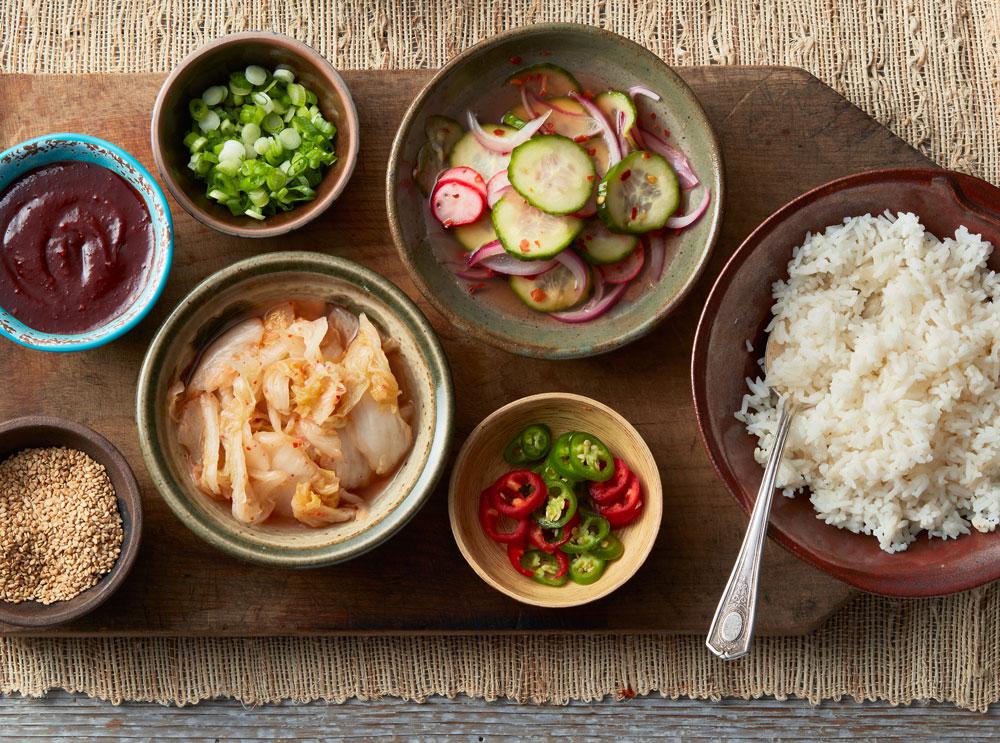
Key ingredients of Korean cooking include many of the ones you see here. Sesame seeds, both white and black, are commonly used and toasted until fragrant. Napa cabbage is prevalent in kimchi, stews and as wraps. Green onions are prized for their fresh flavor and color. And pickled carrots or green chiles add zip to deeply flavored barbeque menus along with salads made of crisp cucumbers and sea vegetables. Gochujang, though, is what’s really hot.

Savory, sweet, spicy. Gochujang has it all.

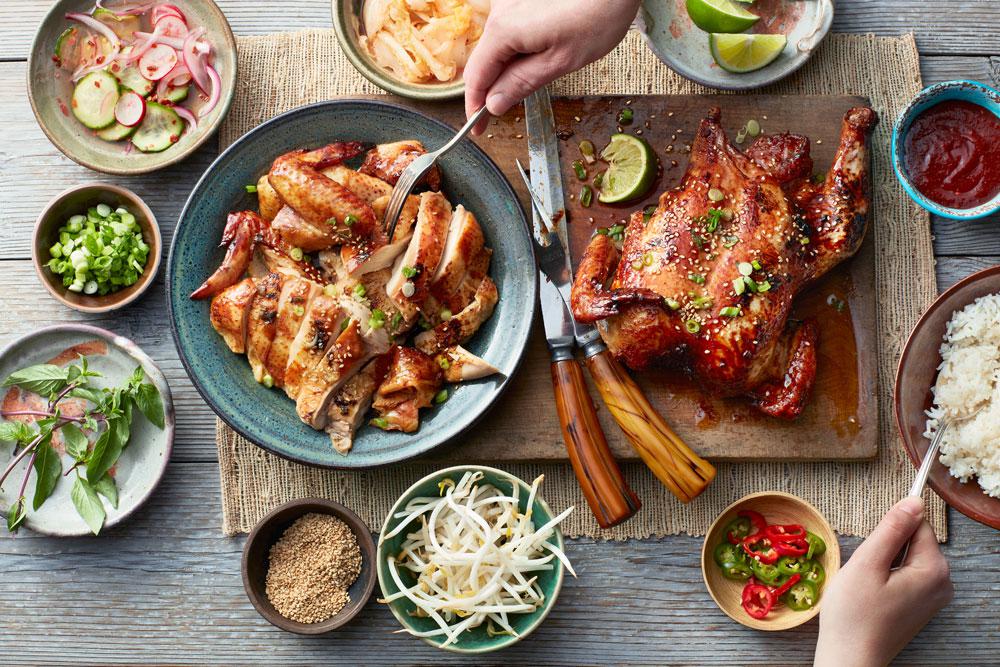
In recent years, hot sauces of several kinds have surged in popularity. Some compete on heat. Others feature vinegar for a tangy profile. But one is truly complex, and that’s gochujang, a staple in Korean cooking for centuries if not millennia. Traditional ingredients call for rice, red pepper powder, soybeans and salt. It’s fermented for months (or even years), and the result is a paste rich in umami that’s perfect for deepening flavors and bringing out the best of different ingredients. Once you try gochujang, you’ll find other non-traditional uses too. Try it first with our recipe for Korean Barbequed Chicken.

Simple marinade, outstanding results.

Sweet, savory marinades are a big reason why Korean grilled meats and poultry are world-renowned. Just a handful of ingredients come together to make a kalbi style marinade in Korean Barbequed Chicken. Kalbi is a Korean dish that usually features beef short ribs, but the marinade and sauce are perfect with grilled, butterflied chicken. By removing the backbone of the chicken and pressing it flat, you’re exposing more surface area to the marinade and preparing the chicken for faster, even grilling. You can use the same marinade in Korean Marinated Chicken Wings.

Get to know Korean cooking. Its distinctive flavors and near universal appeal will bring together your family and friends for home-cooked meals everyone can share and enjoy.

Cook, freeze, feast

Going big – fun, friends and freezer-ready meals.

What is it about winter weekends that make simmering a big pot of soup or stew such a great idea? Obviously, large batch cooking has merits in any season — armloads from the farmers market in spring, heavily laden grills in summer, harvest parties in autumn — but winter is the prime season for turning up the heat on cooking in quantity. The coldest season also inspires an additional thought. Why not freeze individual portions for fast, healthy meals later on?

Plan accordingly.

Certain meals lend themselves better than others for freezing and reheating, and savory broth-based soups and stews are among the best. The recipe featured here, Sonoran Chicken Chili, is a cold weather favorite and freezes well, retaining its flavor and consistency. Another option is Chicken & Mini Pasta Soup.

Note, too, that part of your planning might include who to invite over to join the fun. Cooking in large quantities is even more enjoyable when you’re sharing the experience with friends and family. Think of it as a dinner party that repeats itself. Multiply, divide and conquer. The more cooks in the kitchen, the more new recipes you’ll learn and enjoy in the coming weeks.

Pro tips for the path to the plate.

Large batch cooking doesn’t necessarily require enormous stock pots or kettles. They’re handy, but two medium-size pots work just as well and are easier to stir. For dividing into portions and preparing, airtight glass containers are ideal because you can use the same container to safely thaw the food in the refrigerator and reheat it in the microwave. Just let the soup or stew completely cool before placing individual portions in the freezer, and leave some room for freezer expansion. A half inch of headspace under the lid should be enough.

We meet again.

In the perfect world, meals rotate out of the freezer for thawing and reheating in 90 days. Even in that amount of time, though, it’s easy to forget key details. If you’re using glass containers, a practical solution is to user freezer tape to record the name of the meal, the date you made it and specific reheating instructions. Most reclosable freezer bags include a labeling area.

Got a lazy winter weekend coming up? Snow day in the forecast? Quiet evening at home? Large batch cooking looks ahead to times when life isn’t quite so leisurely. What’s for dinner when time is short? It’s already in the freezer.

Hosting Your Games

Viva, Brasil!

Every four years, in summer and winter, all eyes turn to one of the most exciting sporting events in the world. New heroes emerge. Nations large and small celebrate. And fans everywhere learn about the culture and customs of the countries hosting the games. In 2023, Berlin is in the spotlight. That means, of course, it’s time to fire up the grill.

Have flame, will feast.

Brazil is famous for open fire cooking, and there’s no better way to enjoy cheering on your favorite athletes this summer — or during any sporting season — than with grilled goods of your own. The best news is, foods prized as street fare are quick and easy to make at home. The churrasco tradition of Brazil is centuries old, and it’s a perfect go-to grilling method for today

Earn all the medals.

Like an athlete giving just a little more effort to make the podium, you can clinch gold by serving these skewers with Herbal Garlic Vinaigrette. Traditionally made by pounding the herbs, garlic, peppers and other ingredients in a mortar and pestle, this aromatic sauce can also be made in a mini-chopper. Saúde!

Victory lap.

Another great Brazilian snack tradition are small pastries packed with different fillings. Known as empandinhas or salgadinhos, they’re similar to the empanadas of Argentina or the patties of the Caribbean. They’re easy to make with pie crust dough you can find in the refrigerated section of your grocery store. Make them ahead of time, and then sit back, enjoy watching the world’s best athletes excel on a global stage and give a nod to the rich, flavorful food traditions of Brazil.

A Classic Redefined: Chicken Parmesan

An Italian-American favorite, with emphasis on the hyphen.

This story begins with eggplant. But before launching into the origins of one of the world’s most favorite chicken entrées, a word about this new series, Classics Redefined. This article takes a similar approach, presenting a fresh look at a familiar dish and exploring new options for ingredients and sides. It’s also the start of a new series called Classics Redefined, which will appear several times throughout the year.

What’s the connection between eggplant and chicken parmesan? In southern Italy, there is in fact a dish known as eggplant parmigiana. Food historians point to it as the predecessor of the meat-based recipes that originated on the east coast of the United States in the early- to mid-20th century. In America, chicken and veal were readily available at a more reasonable cost than in Italy, and newcomers adopted what they knew from the old country to the new. What’s next for this Italian-American classic? It’s time to find out.

Get to know fennel.

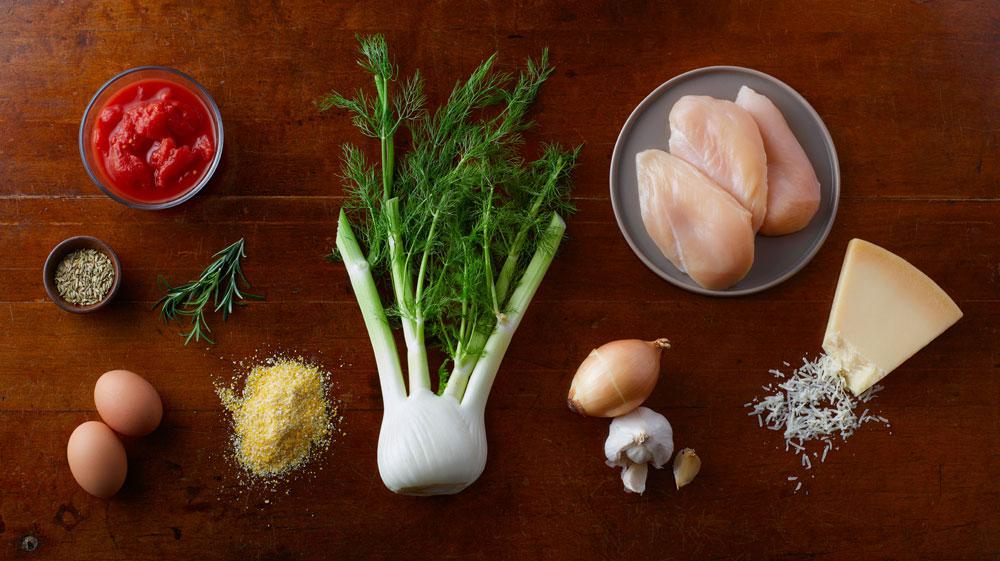
Fennel originated in the Mediterranean region and is a cold season vegetable. Just looking at it, some people might mistake it for celery or even dill. But once you taste this crunchy, slightly sweet vegetable with a licorice-like, anise flavor, the fresh taste of fennel is unmistakable. It’s a welcome addition to many different recipes, and all of it is edible — the bulb, fronds and seeds. This recipe features a sauce made with onion, garlic, fresh rosemary, sliced fennel, fennel seeds and San Marzano tomatoes. If you can’t find fresh tomatoes, look for the canned version (whole tomatoes, 28 ounces, undrained).

Lean chicken, maximum flavor.

The key to perfectly cooked chicken is to flatten the chicken into an even thickness with a meat mallet or rolling pin. Dipped into lightly beaten eggs, the cutlets will be dredged in a mixture of coarsely ground cornmeal, garlic powder and fresh mozzarella cheese. The initial baking time is brief, just 12 minutes. Heat through until internal temperature reads 165ºF. Remove, top with parmesan cheese and return to the oven for a few more minutes. This dish is ready for your fennel-rich sauce and a perfect side.

Perfect with polenta.

You can definitely serve this dish with pasta, and many people do. But here’s another idea — pre-cooked polenta, available in the produce section of your grocery store. It perfectly complements the cornmeal the chicken is coated with, and it’s gluten-free. For a perfect veggie side, a quick sauté of zucchini squash cut into long, thin slices is ideal.

Find a night soon for this new take on chicken parmesan. Family and friends will smile at the mere mention. But once they see, smell and taste how a classic can be redefined, they — like you — will look forward to many more creative new meals to come.

Wraps At The Ready

A wrap by any other name is a …

Is a sushi roll a wrap? Is a burrito a wrap? Is a wrap a sandwich? So many questions, such philosophical intrigue. The definitive answer to all of the above is, well, all of the above. One person’s wrap is another person’s pita sandwich. What makes wraps so special is literally what you put into them. Each is a present waiting to reveal its wonder.

Roll with the good stuff. 

The idea of wrapping food in other food is close to genius. Functional, portable, delicious — there are countless starting points to get the ingredients, flavors and nutrition you want. Leafy greens appeal to veggie lovers. Tortillas are classics, and corn tortillas provide a gluten-free option. And what about nori, the thin sheets of seaweed often used in sushi? Think of nori as a blank canvas for capturing new masterpieces in the making.

Fusion by addition. 

This new recipe for Nori Sushi Burritos has it all. Here, you’re taking cues from California, home to both Japanese and Latin food traditions. Why not make a burrito with nori instead of tortillas? It’s fusion by addition and combinations all your own. The crisp saltiness of the nori pairs well with the mild flavors of the poached chicken, rice and other fresh ingredients within. You can even add a dash of sriracha for a burst of heat. Or try Hoisin sauce, spicy mayo, hot mustard/wasabi or gochujang.

Rapt and delighted.

Wraps are always at the ready and go where you go. Put Nori Sushi Burritos on your dinner menu this week at home. Or take a couple to work for lunch. Or roll up a feast for a picnic with family and friends. And for more variety, consider Barbecue Chicken WrapsLettuce Wrapped Asian Chicken or Chicken Sweet Chili Spring Rolls.

Try them all, and discover new combinations all your own. This is a technique that offers endless possibilities. It’s made for it. Because after all, that’s a wrap.